
Issued by the Catholic Center for Studies and Media - Jordan. Editor-in-chief Fr. Rif'at Bader - موقع أبونا abouna.org

O rose…a symbol of childhood when taken care of
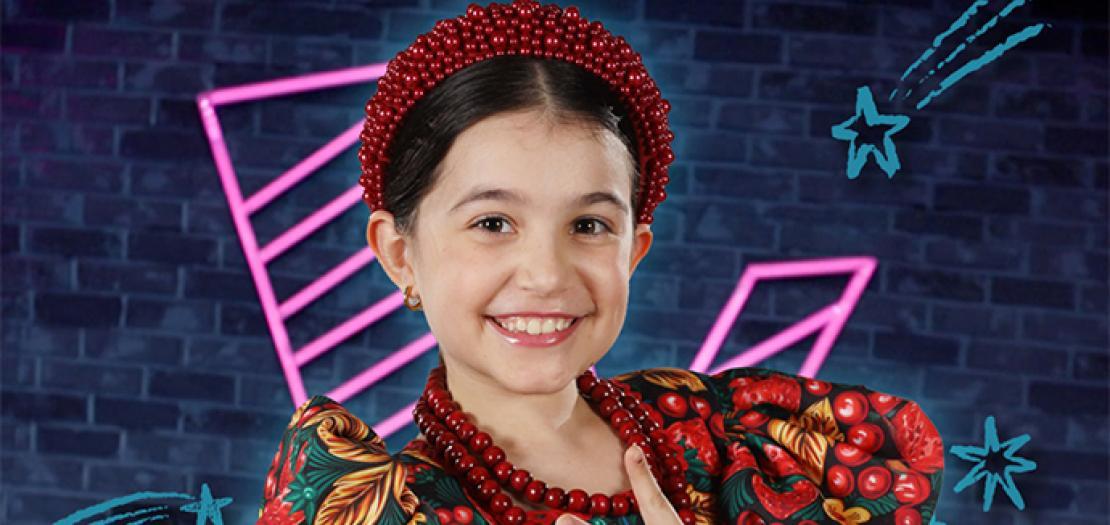
Nine-year-old Jordanian girl Emilia Jaber made a remarkable performance in this season's episode of “The Voice Kids”, by choosing to sing famous Russian folk song "Kalinka" after it was adapted into Arabic with the help of her Russian mother and Jordanian teacher. From the moment she emerged on stage, she drew attention with a confident childlike presence and a voice that surpassed many expectations for her age.
Her performance was characterized with a balance between the rhythmic energy of the folk passages and the emotional warmth demanded by the Arabic-translated verses. Her breath control, tone management, and ability to convey feelings in both the quiet and lively sections made her show a complete musical experience that moved both the audience and the judging panel.
The song conveys a clear cultural history as the Kalinka dance is considered a symbol of Russian folk dance. Its name is derived from a simple yet greatly popular song written by composer and folklorist Ivan Larinov in 1860. The word "Kalinka" means "snowberry." This piece of music is known for its escalating tempo and speed with each new verse, which requires artistic ability to move among fast and slow expressive passages while maintaining vocal and rhythmic consistency. Presenting this song into Arabic added a cultural and musical dimension to the performance, as Emilia succeeded in conveying the spirit of the folk work while rephrasing words and emotions closer to the taste of the Arab audience.
Emilia's father was interviewed on Arab satellite channels who expressed his pride and encouragement for his daughter, while her mother and teacher played a pivotal role in this musical and linguistic adaptation, as well as in the movements which children worldwide have begun imitating. Their expertise helped fine-tune the translation so that the structure of the melody was taken into consideration and aligned with Arabic intonation, as they followed the rhythmic pronunciation while preserving the song's dynamic escalating sequence. This cooperation contributed to a performance that honors the Russian original form while making it comprehensible and impactful for Arab listeners. This gave the show a personal quality that reflects Emilia's dual identity.
Reactions ranged from immediate admiration to artistic praise laden with advice. The judging panel commended her boldness in choosing unconventional material for children and her vocal control. This was associated with encouragement to continue diversifying her repertoire and training in multiple techniques. Meanwhile, the audience shared the video across social media outlets with comments highlighting the maturity of her voice and the expressive sharpness the song conveyed.
Emilia's experience is not separate from the broader context of young talents in the program. The episodes featured creativity by peers such as fellow Jordanian child Salma Haddadin. This highlights the richness of the scene and the artistic competition that elevates the level of participation. Furthermore, it unveils Jordan's role in hosting such forums that bring together Arab voices. It was also learned that the filming took place in Jordanian studios. The major challenge remains in protecting children's balance among training, childhood, and education. It seems that Emilia's family appears to be applying this through thoughtful support and sound guidance. If she continues to develop her abilities under balanced professional guidance, this moment on “The Voice Kids” may open doors for collaborations and for opportunities that allow her to blend Arab and Russian heritages while leaving a distinctive artistic impact.
Children deserve to enjoy our care for their talents. Furthermore, we must not allow any party or any person to harm their dignity and innocence as unfortunately is the case in several parts of the world.