Issued by the Catholic Center for Studies and Media - Jordan. Editor-in-chief Fr. Rif'at Bader - موقع أبونا abouna.org

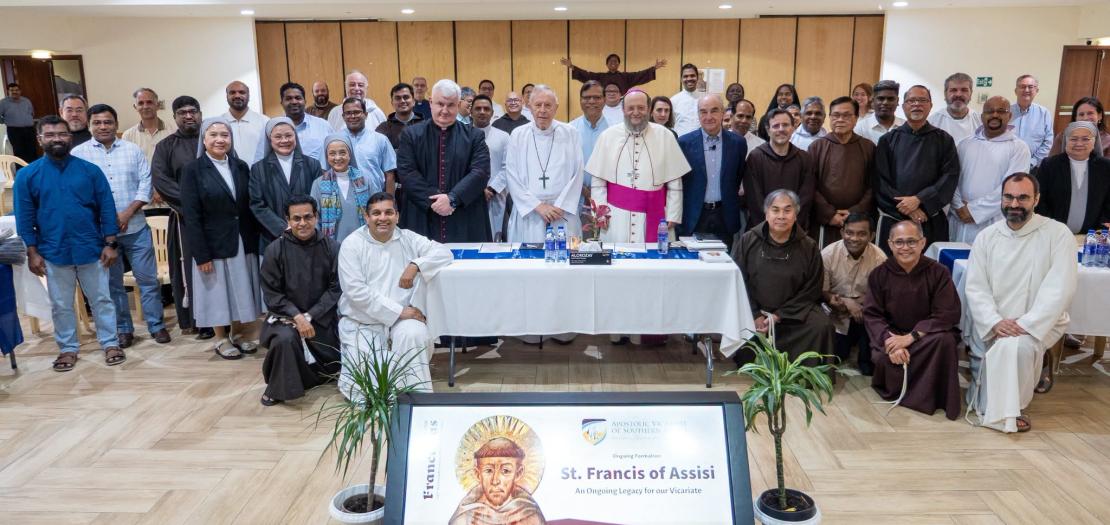
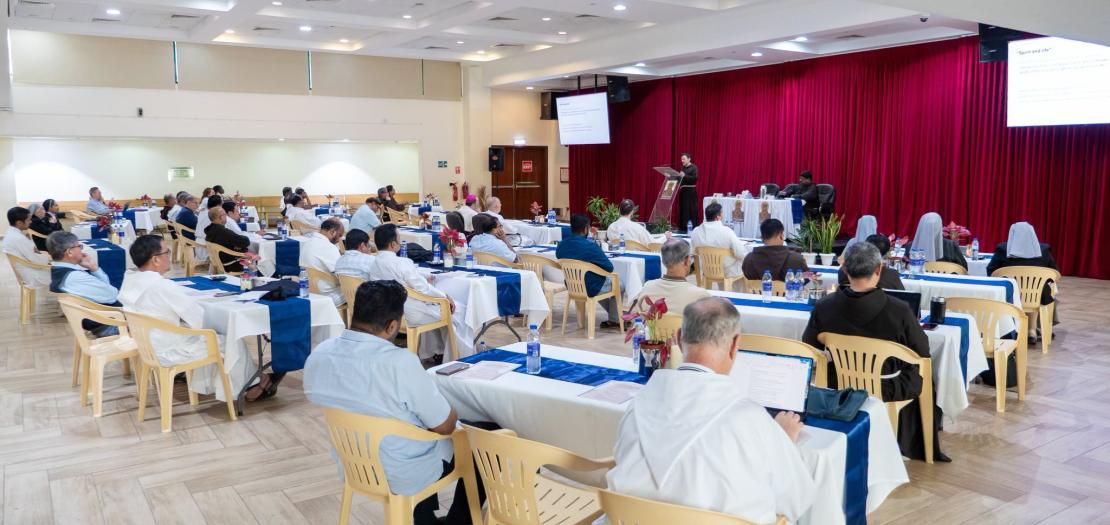
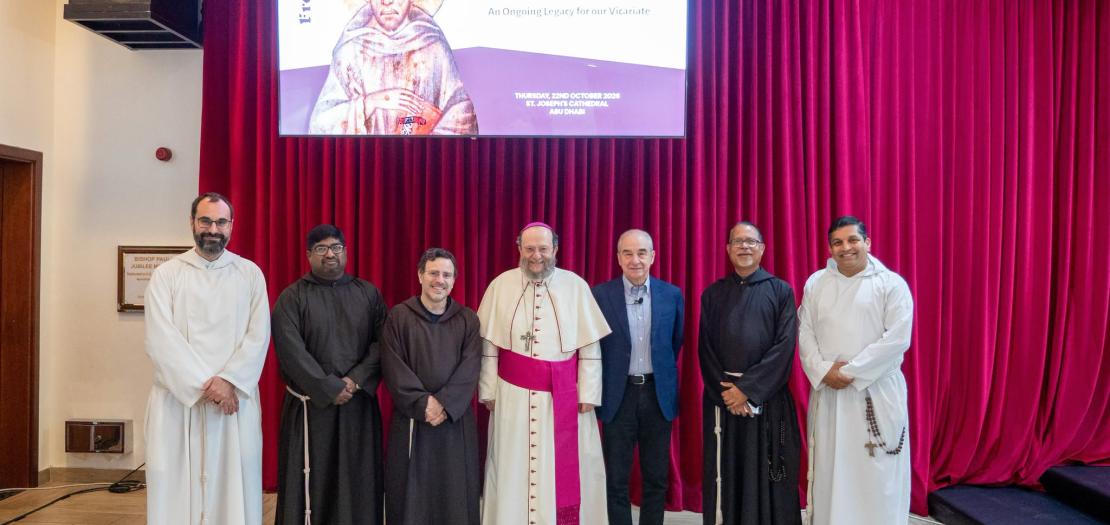
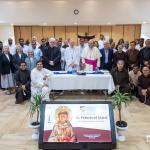
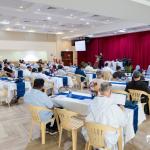
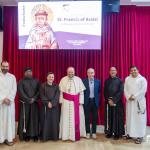
As part of the celebrations marking the 800th anniversary of the Transitus of St. Francis of Assisi, the Apostolic Vicariate of Southern Arabia organized a Day of Formation dedicated to Franciscan spirituality and its relevance today.
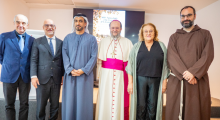
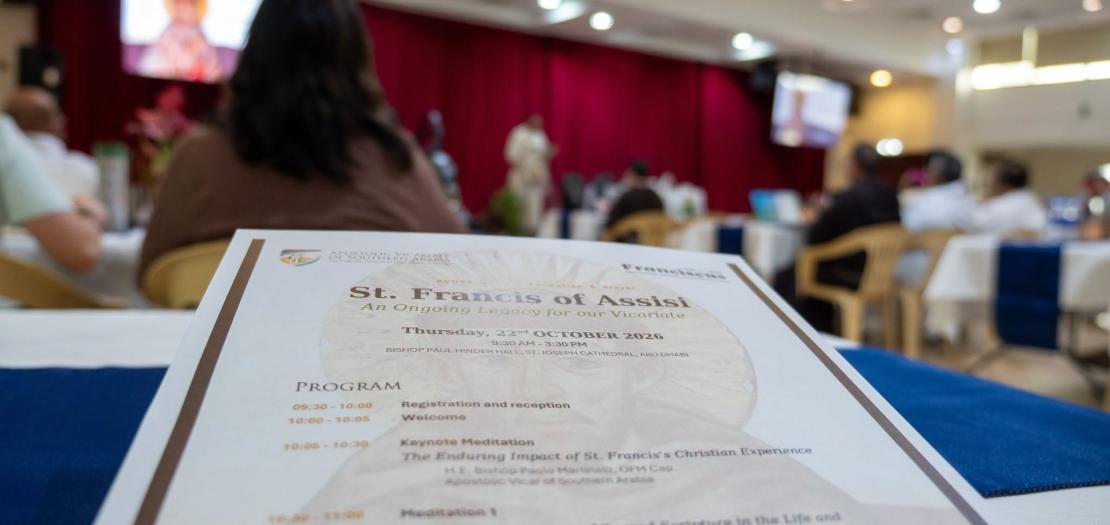
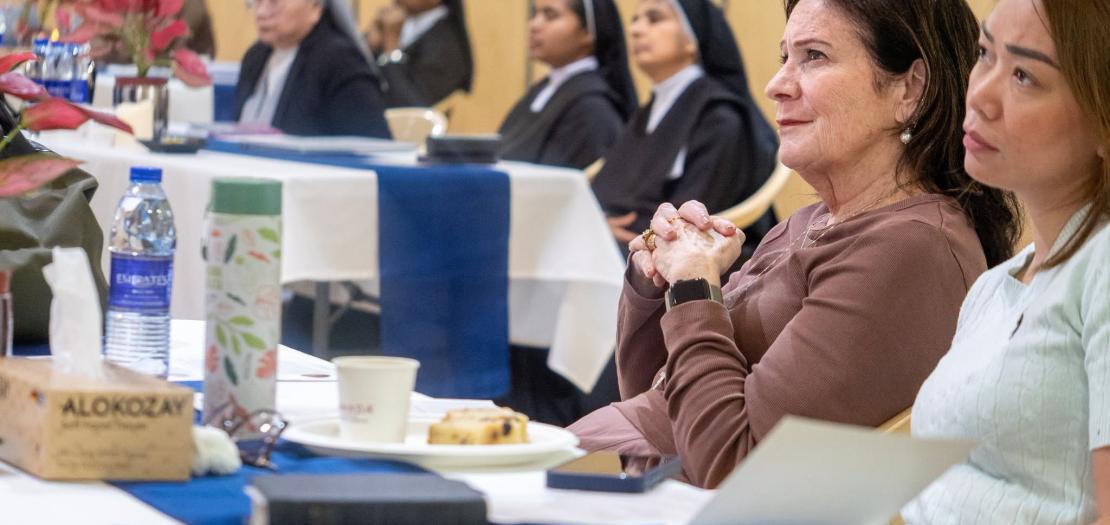
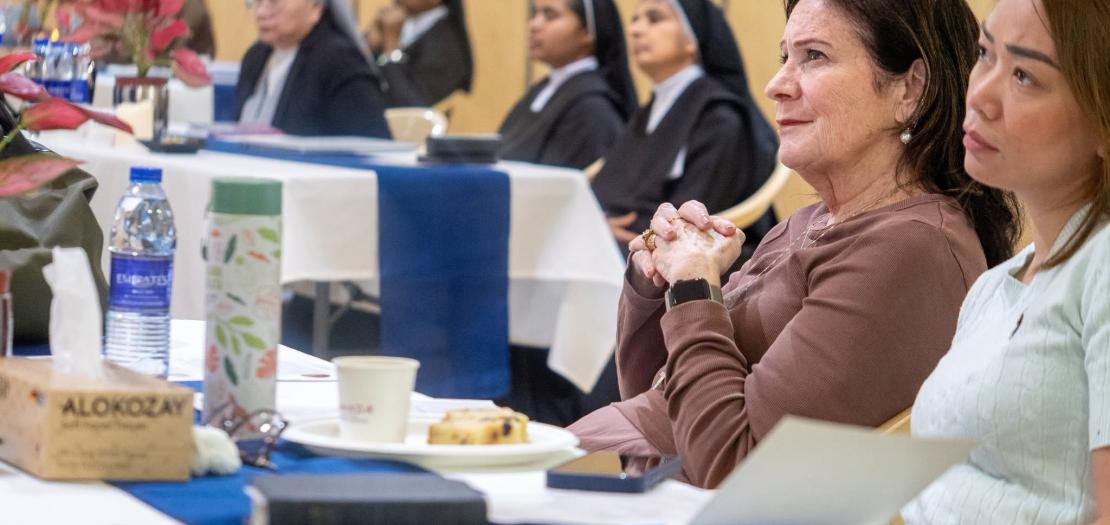
Priests, religious and staff of the Apostolic Vicariate of Southern Arabia gathered at St. Joseph’s Cathedral in Abu Dhabi on 22 October for a day of reflection, formation and fraternity, exploring how the experience of St. Francis continues to speak to the Church today.
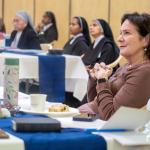
Three presentations approached this theme from different perspectives: Francis’ personal encounter with Christ, the central place of Scripture in his life, and the contribution of his spiritual legacy to fraternity and interreligious dialogue.
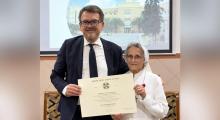
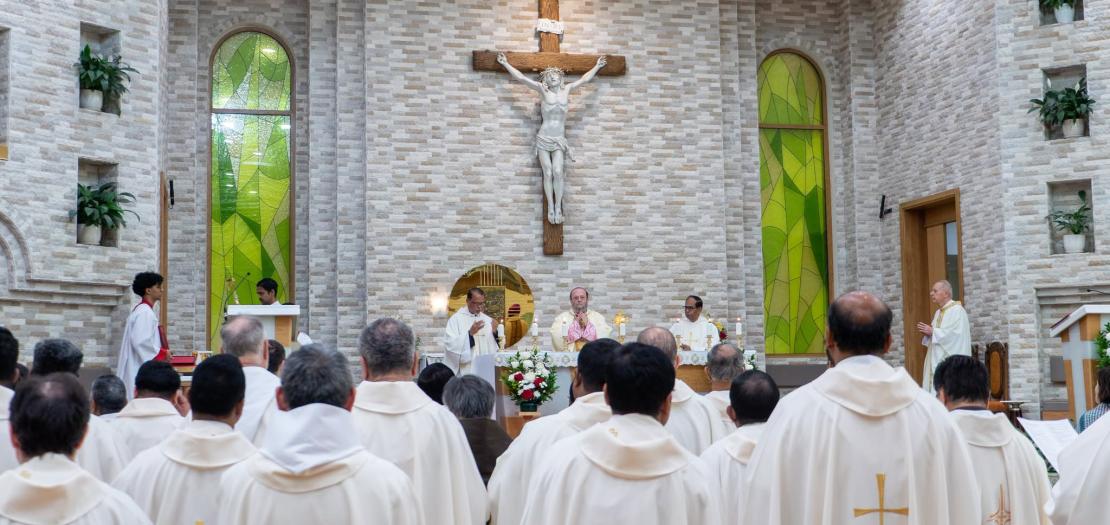
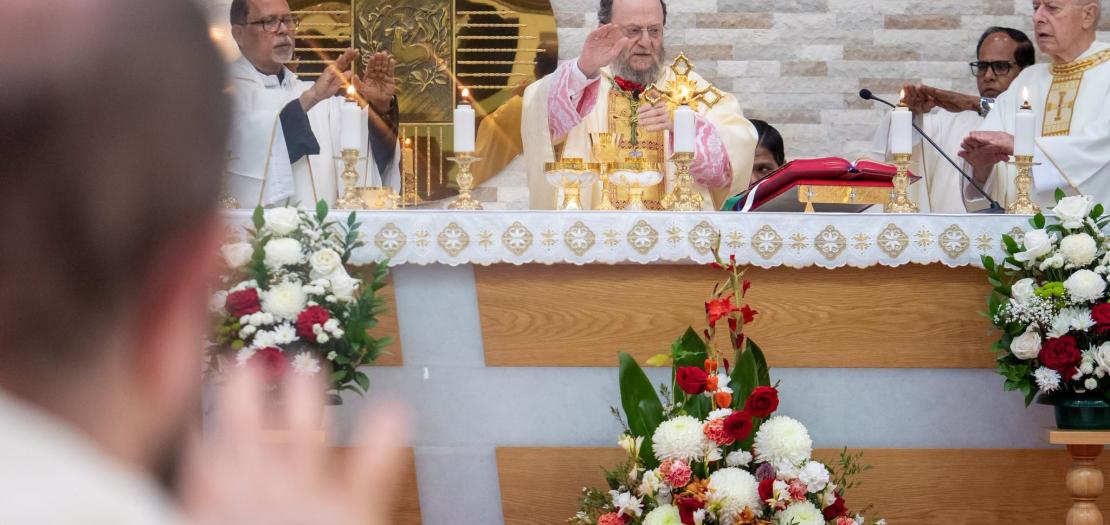
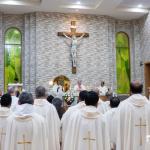
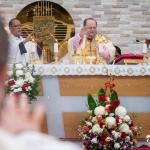
The day concluded with a Eucharistic celebration, which was also an occasion to give thanks for the birthday of Bishop Paolo Martinelli.
The day opened with a welcome by Fr. Stefano Luca, Director of the Vicariate’s Interfaith and Ecumenical Dialogue Office (IFEDO). Fr. Andrew Francis and Fr. Darick D’Souza moderated the two sessions, while Fr. Michael Fernandes, OFM Cap., Custos of the Capuchin General Custody of Arabia, offered the concluding remarks.
St. Francis and the experience of a living faith
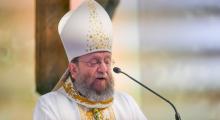
Bishop Paolo Martinelli, Apostolic Vicar of Southern Arabia, reflected on “The Enduring Impact of St. Francis’s Christian Experience.” For St. Francis - he highlighted -, faith was not simply a set of beliefs, but a living encounter with Christ that transformed his entire way of seeing reality, shaping his relationship with God, with others, and with all creation.
In our world centered on individual freedom and power, St. Francis’ life shows how faith can inspire fraternity, respect for others, dialogue between religions, and care for creation. These were not simply ideals or values, but the fruits of a relationship with Christ that Francis continually renewed.
“Ultimately, for Francis, educating in the faith means educating in a presence, the presence of Christ that endures through time in the sacrament, in the word, and in humble witness; in the poor and needy. Francis did not draw inspiration from Christ as from a figure from the past; rather, he renewed his encounter with him every day.”
When the Gospel becomes a way of life
Prof. Domenico Lo Sardo, of the Pontifical Antonianum University, addressed “The Role and Impact of the Sacred Scriptures in the Life and Writings of St. Francis.”
He focused on the decisive role of the Gospel in Francis’ conversion and throughout his life. Francis received the words of Jesus not simply as instructions given to the disciples, but as a personal call - “The Gospel was not simply informative, but performative.”
Scripture shaped Francis’ prayer, his understanding of poverty and fraternity, his relationship with creation and his desire to follow Christ. “Ultimately, Francis’ originality lies in allowing Scripture to become life. The Bible is interpreted most fully not only in scholarship, but in those who, by the Holy Spirit’s grace, become living images of the Gospel they proclaim. The fullest interpretation of Scripture is a life transformed by the Gospel.”
The Spirit of Assisi and the bridges of dialogue
Prof. Roberto Catalano, of the Sophia University Institute focused on dialogue, with a presentation on “Renewal Movements: Building Bridges of Dialogue in the Spirit of Assisi.”
On the 40th anniversary of the historic interreligious gathering promoted by St. John Paul II in Assisi in October 1986, Prof. Catalano traced the development of interreligious dialogue following the Second Vatican Council, highlighting the important role of Catholic renewal movements. Inspired by the Franciscan understanding of fraternity, they have contributed to carrying forward the Spirit of Assisi through relationships and initiatives that bring together people of different religions and cultures.
“This experience of dialogue is not limited either to academics, religious leaders, or internationally renowned institutions and events. It is enriched by grassroots experiences on the ground, involving individuals and local communities.”
A call to renewal for the Church in Southern Arabia
Bringing the three reflections together, Fr. Michael Fernandes invited participants to consider what it means to live the Franciscan spirit in the context of Southern Arabia.
The anniversary, he emphasized, is not simply an occasion to remember St. Francis, but an invitation to personal and communal renewal. The Gospel must continue to shape the way the Church serves its people, while fraternity and dialogue must extend beyond church walls into everyday life.
“The Franciscan spirit is not nostalgia for a glorious past. It is the courage to live the Gospel afresh in the circumstances of today. Let us renew our personal encounter with Christ. Let us make our missionary presence more human, humane and more compassionate. And let us become builders of fraternity and dialogue.”