Issued by the Catholic Center for Studies and Media - Jordan. Editor-in-chief Fr. Rif'at Bader - موقع أبونا abouna.org

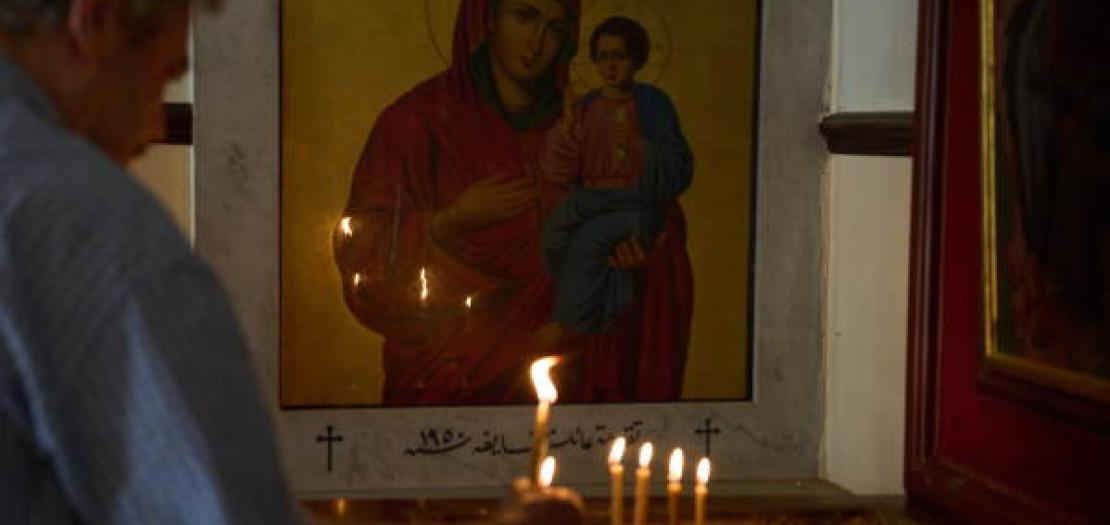
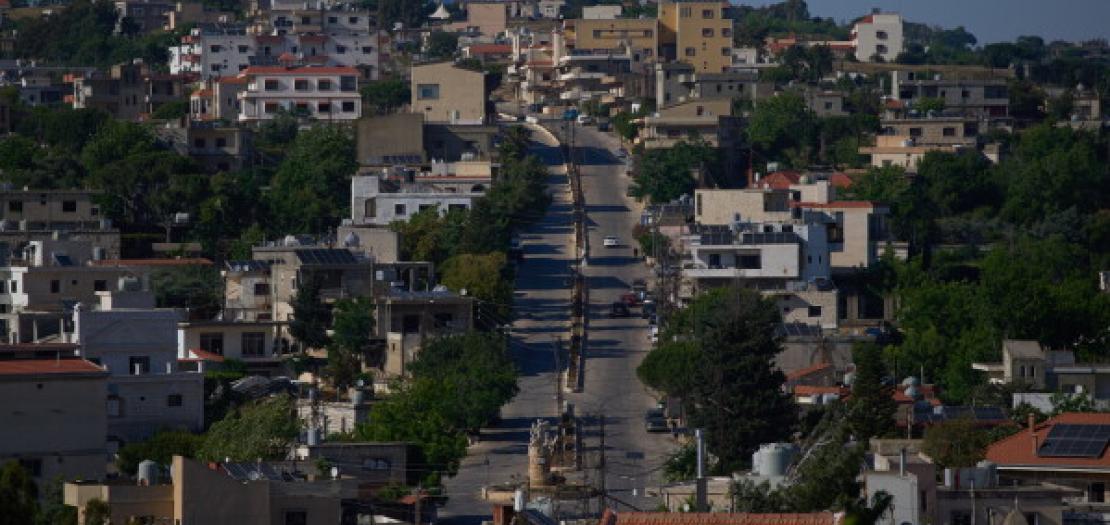
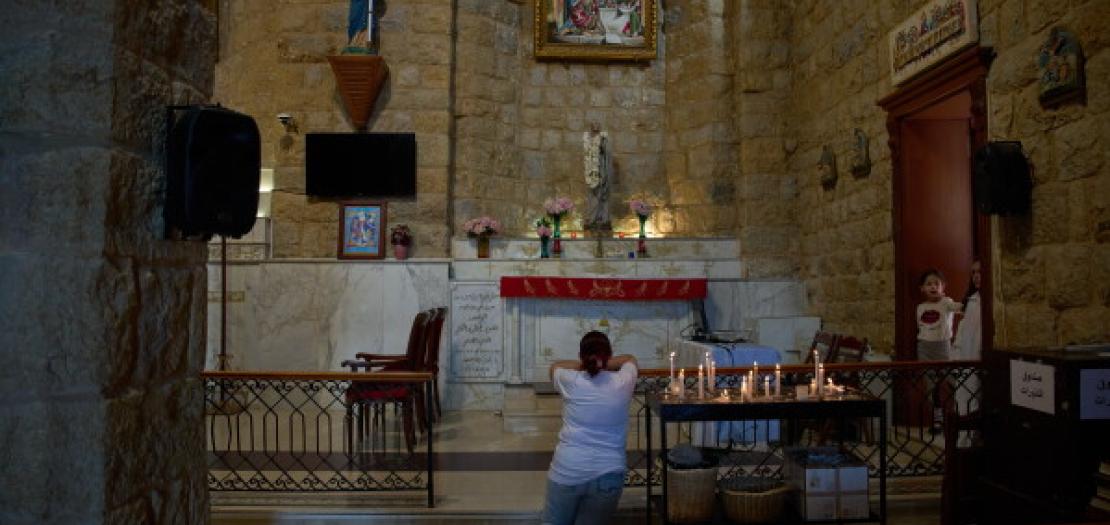
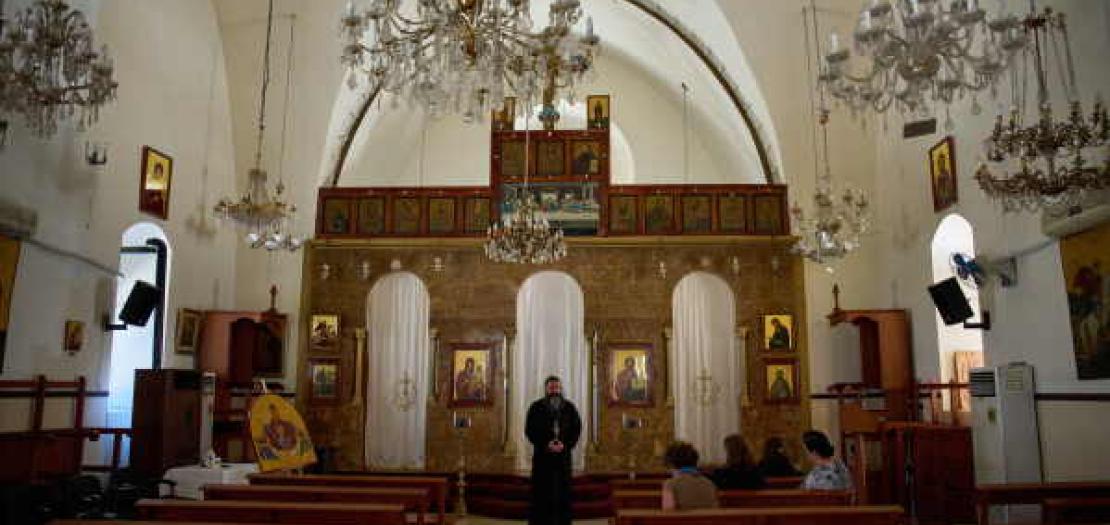
In the predominantly Christian towns of Marja'youn and nearby Qlay'a in southern Lebanon, daily life continues in the shadow of a war that devastated many surrounding villages during months of fighting.
While the two towns largely escaped the widespread destruction seen elsewhere along the border, residents remain surrounded by villages still bearing the scars of airstrikes, shelling and ground combat. Home to about 2,000 to 2,500 residents each, Marja’youn and Qlay’a have become pockets of relative stability in a region grappling with conflict.
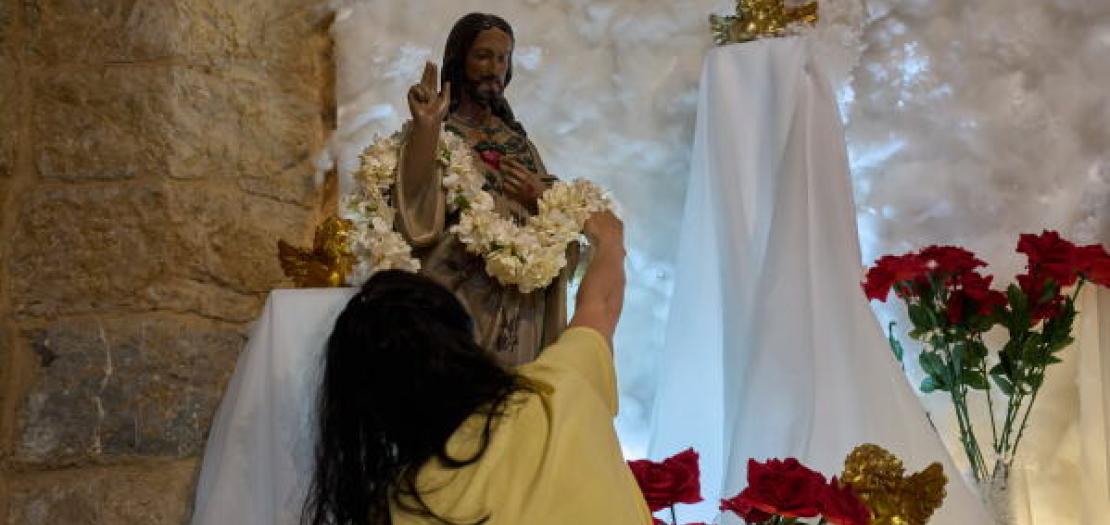
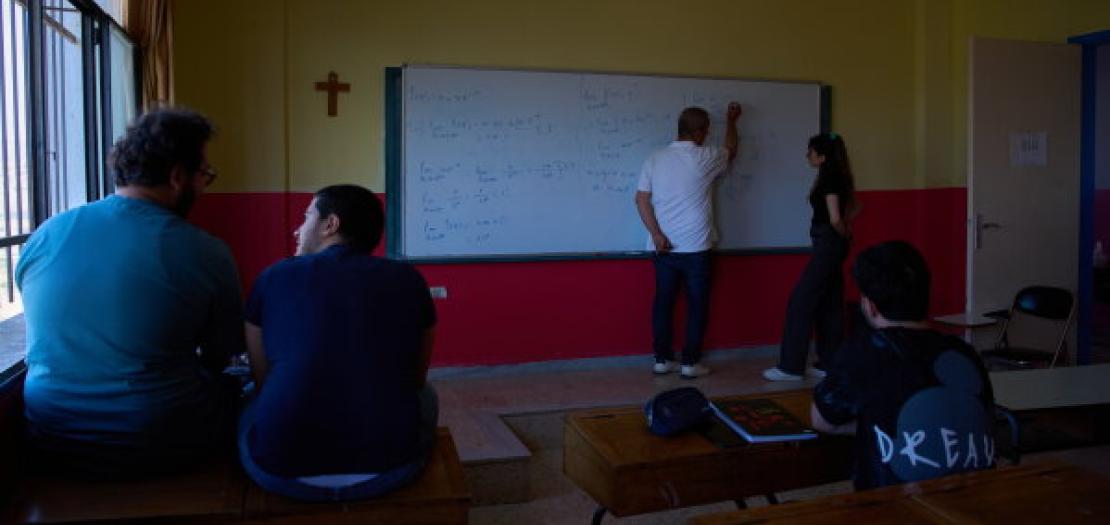
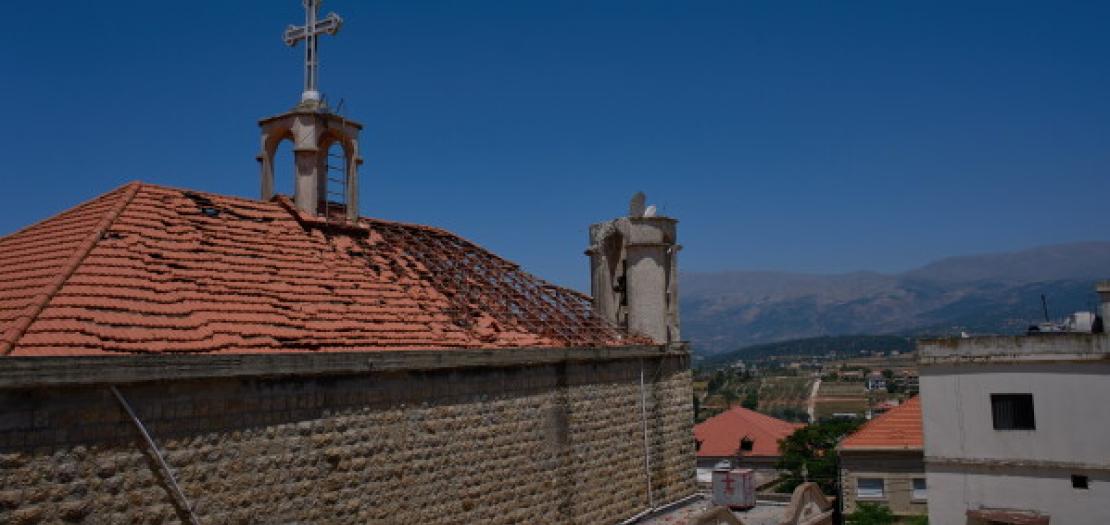
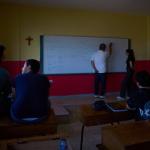
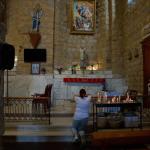
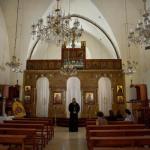
Residents gather in churches damaged during the fighting, children attend school, shepherds guide their flocks along quiet roads and families go about their daily routines. Yet, life remains challenging. Electricity and water shortages are common, economic conditions have worsened, and access to specialized medical care is limited, often requiring long journeys for treatment.
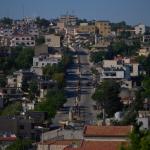
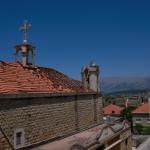
In Marja’youn, St. Georges Greek Orthodox Church sustained damage during cross-border shelling, including the destruction of its bell. Even so, worshippers continue to gather for prayer while schools, churches and local institutions work to preserve a sense of normalcy. Along streets lined with old stone homes, everyday scenes serve as reminders of communities determined to endure despite uncertainty along Lebanon’s southern frontier.