Issued by the Catholic Center for Studies and Media - Jordan. Editor-in-chief Fr. Rif'at Bader - موقع أبونا abouna.org

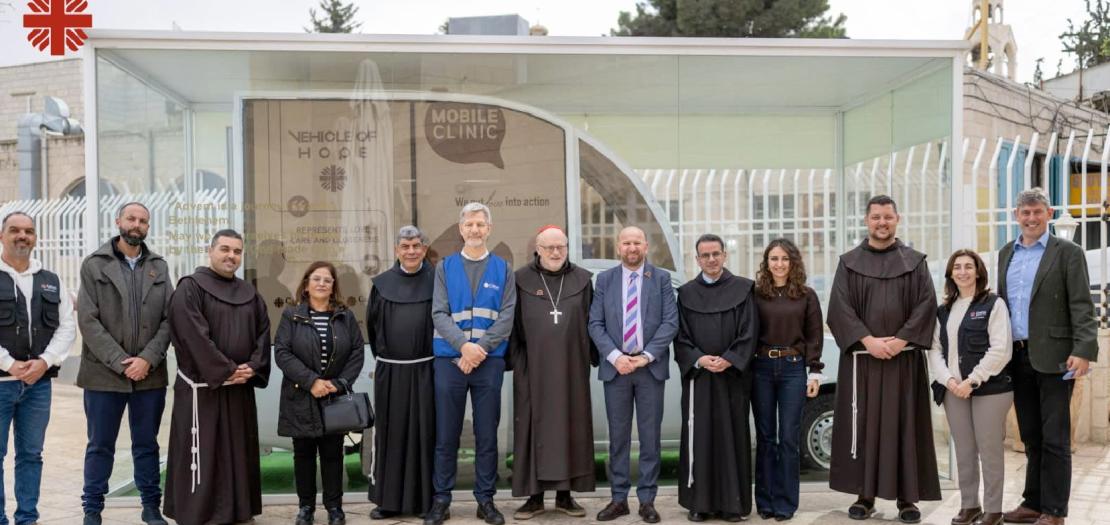
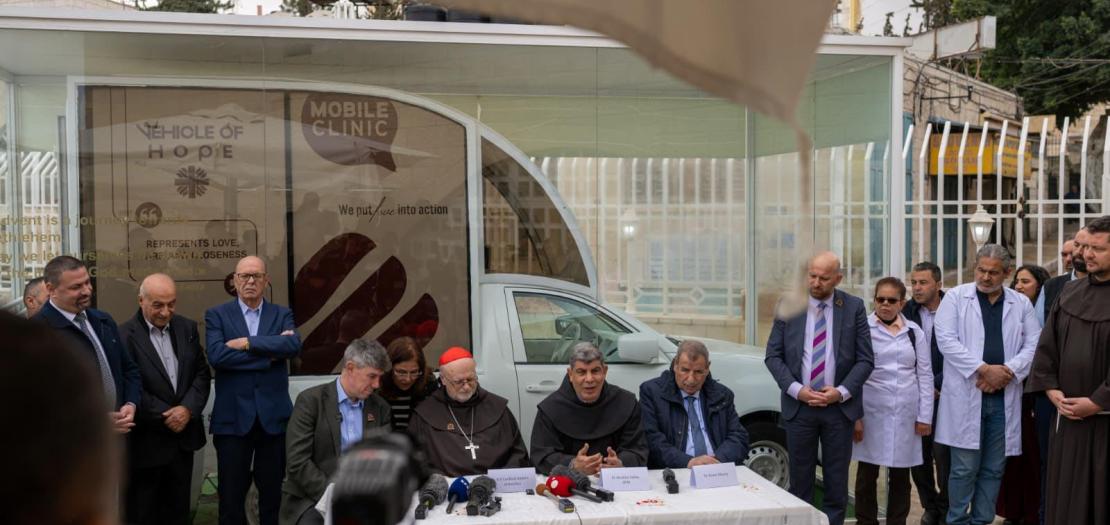

A familiar white vehicle once associated with papal visits is preparing to take on a very different role in one of the world’s most fragile regions. After months of delays and mounting uncertainty, the former popemobile used by Pope Francis in Bethlehem in 2014 has finally been cleared to enter Gaza, where it will operate as a mobile health clinic for communities with little or no access to medical care.
Cáritas Jerusalém, which received the vehicle as a gift from Pope Francis and later transformed it into a fully equipped clinic, announced that the much-awaited authorization arrived in late November 2025. The news caps a long and complicated effort marked by border closures, military restrictions and the chaos brought on by the Gaza war. For months, even senior staff at Caritas were unsure whether the vehicle would ever reach its intended destination.
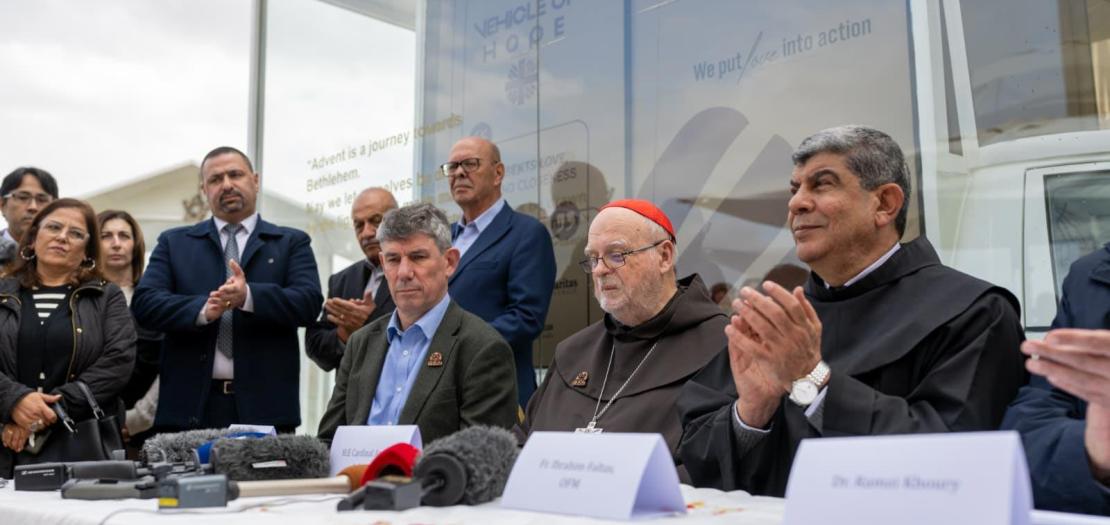
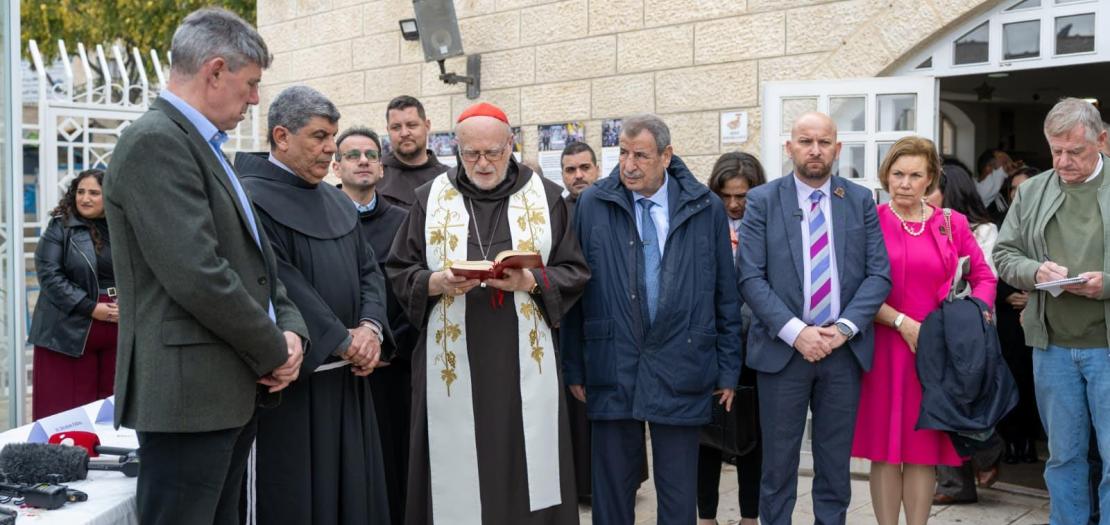
Its new name, the Vehicle of Hope, is more than symbolic. On the morning of 29 November, just outside the Church of the Nativity in Bethlehem, the local Caritas community blessed and inaugurated the repurposed popemobile. The moment, accompanied by prayers, messages of solidarity and the hum of flashing cameras, marked what the organization described as “a historic morning.” The clinic-on-wheels, they said, embodies compassion, creativity and the shared resolve of the Caritas network to reach people in need regardless of the obstacles.
Originally designed for papal processions, the vehicle has been refitted with medical equipment ranging from basic diagnostic tools to supplies used in primary care. Its mission is straightforward but ambitious: to serve families located in isolated or underserved areas, bringing medical assistance to places where clinics are scarce, damaged or inaccessible.
The transformation of the popemobile into a humanitarian instrument began shortly after Pope Francis completed his 2014 pilgrimage to the Holy Land. Instead of storing or exhibiting the vehicle, the Vatican chose a more surprising route—donating it to Caritas with the idea that a symbol of pastoral outreach could be turned into a practical tool for relief work.
What followed has been a mixture of determination and logistics. In early 2025, staff at Caritas feared the project might collapse entirely. Border procedures tightened dramatically, humanitarian aid faced unpredictable bottlenecks, and the war made movement across checkpoints nearly impossible. “The situation at the time was extremely chaotic,” recalled Harout Bedrossian, Caritas Jerusalem’s press officer. Even shipments of medical supplies were subject to strict military oversight, leaving little room for humanitarian vehicles, especially one as distinctive as a former papal transport.
Yet, persistence has prevailed. The clearance now granted opens a narrow but vital door of opportunity. Once inside Gaza, the Vehicle of Hope will begin serving communities that have endured prolonged shortages of medicine, personnel and functioning clinics. For many families, this unusual vehicle may become the only point of contact with basic healthcare.
The popemobile’s new life is a story of repurposing—not merely of machinery but of meaning. A vehicle built for ceremonial journeys is now poised to navigate the fractured landscape of Gaza, carrying not dignitaries but doctors, not crowds but patients in need.
And in that transformation, the Church’s presence in the region takes on a new form: quieter, more practical, and deeply human.