Issued by the Catholic Center for Studies and Media - Jordan. Editor-in-chief Fr. Rif'at Bader - موقع أبونا abouna.org

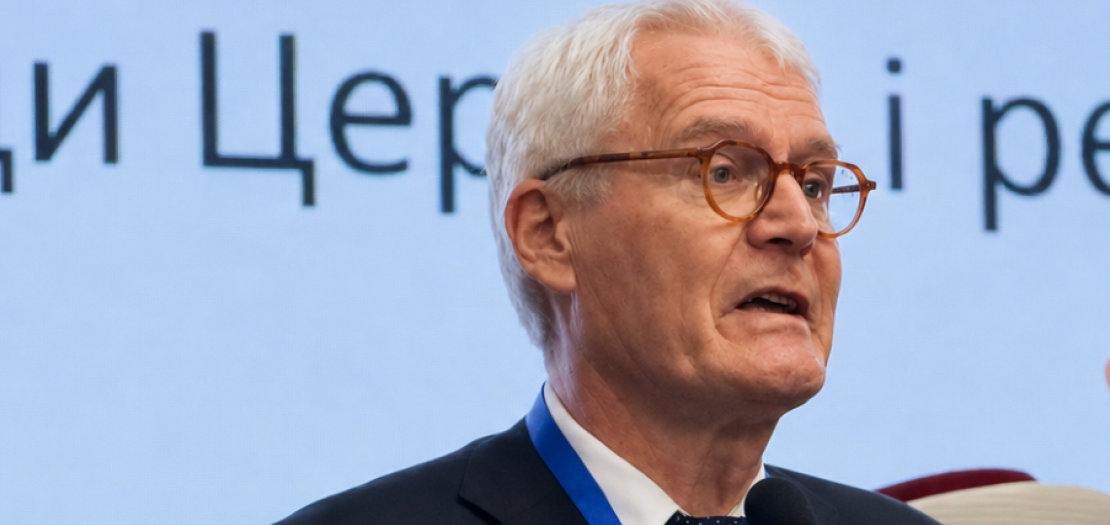
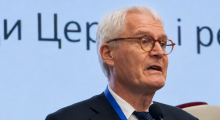
Rev. Frank-Dieter Fischbach, general secretary of the Conference of European Churches (CEC), was part of a World Council of Churches (WCC)-led delegation that made a solidarity visit to Ukraine on 14-17 July. He took time to reflect on his impressions of the people he met, and on why a solidarity visit can ultimately be an expression of apostolic truth.
What do you take with you from the WCC solidarity visit?
Rev. Fischbach: I am thankful to WCC that CEC was invited to join the WCC delegation for this solidarity visit. We worked very well together, and it was an example how ecumenical organisations on different geographical levels can act together. I felt ashamed how this solidarity visit was received as a bold, courageous, and true sign of solidarity, because I thought of all Ukrainians experiencing this war and the threats it poses every day for more than four years. But it proved that this kind of visit strengthens the Ukrainian churches and the Ukrainian society because they feel that they are not alone and are part of a wider community. Finally, I take with me the impression that many Ukrainians are tired and traumatised by the war, but that they don’t want to give up and still want to defend their democratic way of life, their society, their country.
As part of the pilgrimage, what is the most significant role the churches, CEC, and the global fellowship can play in Ukraine?
Rev. Fischbach: The churches, CEC, and the global fellowship can support Ukraine and its churches in continuous prayers for a just and lasting peace. It became again obvious in this visit that the contact with churches outside Ukraine strengthens Ukrainians, that they are not alone, that others walk with them in these difficult and demanding times. Ukraine and the Ukrainian churches are part of Europe and they want to participate in the European integration process as well as being part of the global community. This honest, open and, at times, probing exchange helps Ukraine to better understand this interconnectedness and integration, just as it helps us to grasp Ukraine’s concerns and sense of identity. Ultimately, it also enables us to act as a voice for Ukraine in dealing with other institutions and bodies.
Why is this kind of solidarity visit important?
Rev. Fischbach: In the end, it is about personal contacts: Our delegation comes back, enriched by the different personal meetings and exchanges we had. It deepened our perception of the situation of Ukraine and the Ukrainian churches. It makes a difference to read the statements of the Ukrainian Council of Churches and Religious Organisations (UCCRO) or to sit at a table with all members of UCCRO in Kyiv and to listen their voices, their wisdom, their experiences, and wishes towards us. Several times we were told that this visit encourages and comforts the people, and church and state representatives. In a humble understanding, it is an expression of the apostolic truth that if one member suffers, all suffer together with them. We are not at all suffering as the Ukrainians, but it was well received that we express our solidarity and that their suffering is not forgotten, not one day.