Issued by the Catholic Center for Studies and Media - Jordan. Editor-in-chief Fr. Rif'at Bader - موقع أبونا abouna.org

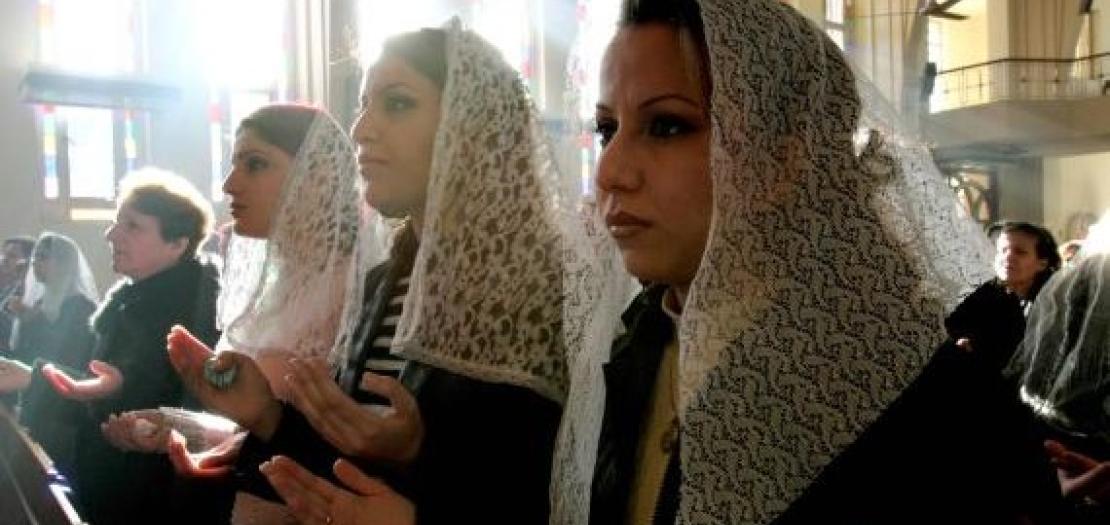
Iraq’s Christian communities are openly expressing concern about a renewed threat from the Islamic State (ISIS) — especially in light of recent developments in Syrian territory along the Iraq border and the transfer of thousands of ISIS detainees from prisons in northeastern Syria to what the Iraqi government describes as a “safe site” in Iraq intended to preempt threats to the country’s national security.
Echoing these concerns, Bishop Bashar Matti Warda, Chaldean archbishop of Erbil, highlighted the widening circle of renewed violence emanating from Syria. He noted that “history teaches us that fire does not recognize borders” and that violence has a way of expanding from one place to unsettle entire regions.
In a conversation with ACI MENA, the Arabic-language sister service of EWTN News, Warda said that both Syrian and Iraqi families aspire to live in peace, but the return of violence naturally raises deep fears about family safety and the stability that many have worked on for many years.
Warda explained that the anxiety of civilians — particularly those whose wounds from past conflicts have not yet healed — is not weakness but rather a memory of past turmoil and a fear of repeating tragedy.
He emphasized the historic experience of violence and sectarian conflict endured by Iraq’s Christian communities. Two-thirds of Iraq’s Christians once left not by choice but out of a profound feeling that their homeland could no longer protect them. Today, that legacy fuels fears that a resurgence of conflict could threaten not only Christians but also all Iraq’s people, Warda said.
Despite these fears, the bishop stressed the community’s continued commitment to hope — not as denial of reality but as confidence in the possibility of a better future. He affirmed that the strongest response to violence is rooted in human dignity, shared life, and calm dialogue — rejecting incitement and building bridges.
“Violence devoid of wisdom, even when it appears limited today, can tomorrow become a much wider tragedy we all know the price of,” he said.