Issued by the Catholic Center for Studies and Media - Jordan. Editor-in-chief Fr. Rif'at Bader - موقع أبونا abouna.org

Since the conflict resumed in March 2026, thousands of Lebanese people have been affected by the bombardments: 3,500 have been killed and double that number injured, according to the Lebanese Ministry of Health. The bombardments have completely destroyed over 50 villages in the south and caused severe damage in Tyre and Sidon as well, affecting homes, roads, bridges, schools and healthcare facilities.
At the height of the bombing, over a million residents fled southern Lebanon. Added to this number are around 400,000 Syrian refugees – some of whom have since returned to Syria – and migrants of other nationalities. In recent months, many displaced people have attempted to return to their villages, often to find their homes, fields and livelihoods devastated.
It is estimated that around 600,000 Lebanese have returned to the southern regions, if only for short periods. Many have lost their homes, jobs or farmland; others continue to live as displaced persons, hosted by friends and relatives or in emergency accommodation. Food, medicines and fuel remain difficult to deliver due to damage to infrastructure and precarious security conditions.
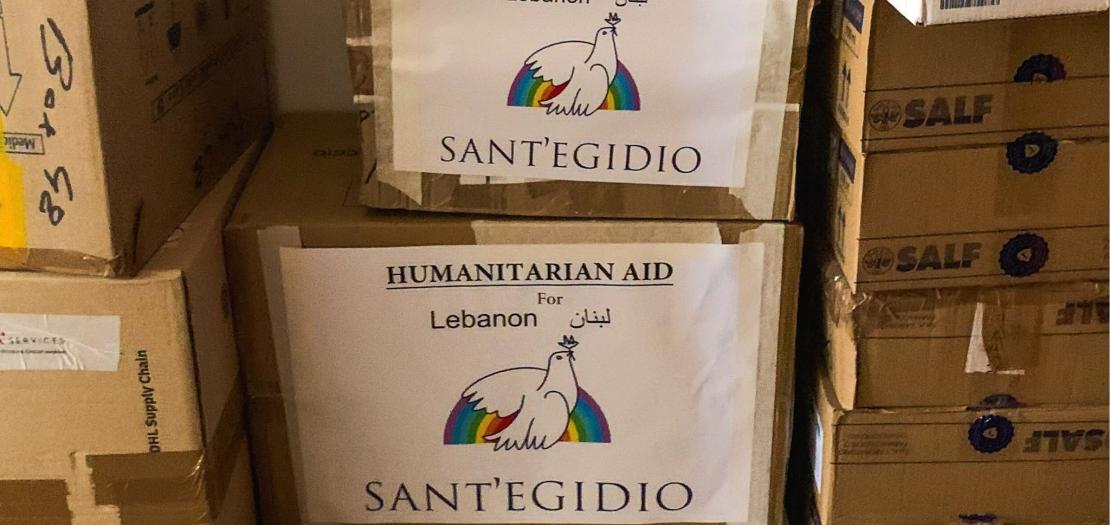
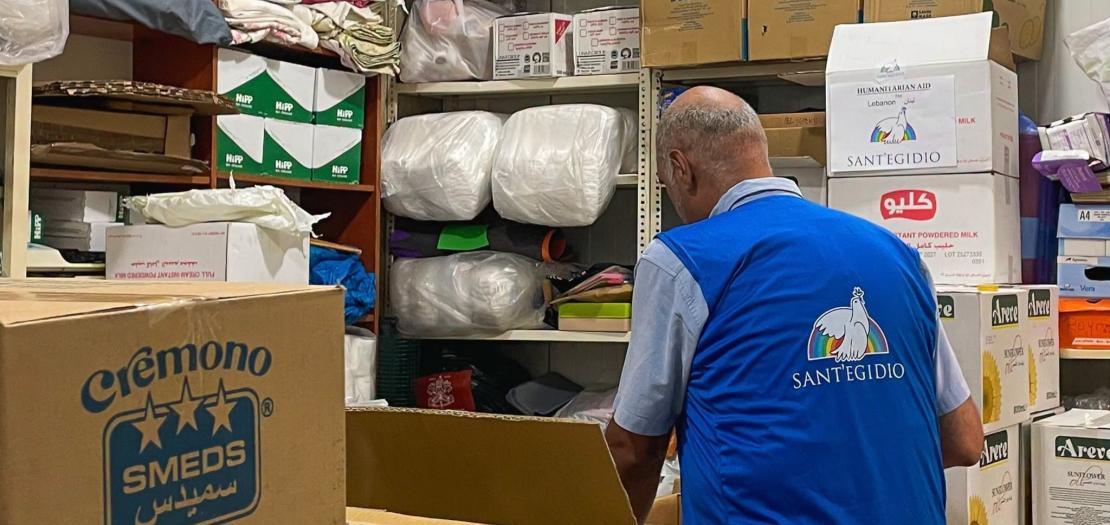
The Community of Sant’Egidio’s long-standing friendship with Lebanon and its commitment to the Humanitarian Corridors have, over the years, enabled it to get to know the reality of the country at first hand and meet the people working on behalf of the poorest. In response to the requests received, the Community has delivered medicines worth a total of around 45,000 euros to various clinics in Beirut, southern Lebanon and the Bekaa Valley.
These include medicines for diabetes, high blood pressure, heart and vascular diseases, as well as antibiotics and paediatric medicines. Vitamin supplements and baby food were also distributed as many patients in the country cannot afford to buy the medicines they need.
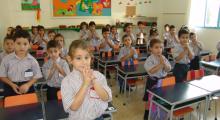
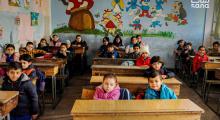
The mission also helped to support the reopening of schools in the south of the country. In Ain Ebel and Marjayoun, two villages near the southern border, two schools run by the Sisters of the Sacred Hearts reopened their classrooms in September, welcoming pupils from the few neighbouring villages still inhabited.
The situation continues to be difficult: drinking water is lacking, there is no petrol for the generators, and food is in short supply. Furthermore, during air raid alerts, distance learning becomes necessary. Despite this, around half of the pupils have returned to school. They are children and young people aged between 5 and 14, both Christian and Muslim. For those in charge, the school is a place of education, but also of friendship and coexistence, and counteracts the risk of division and hostility.
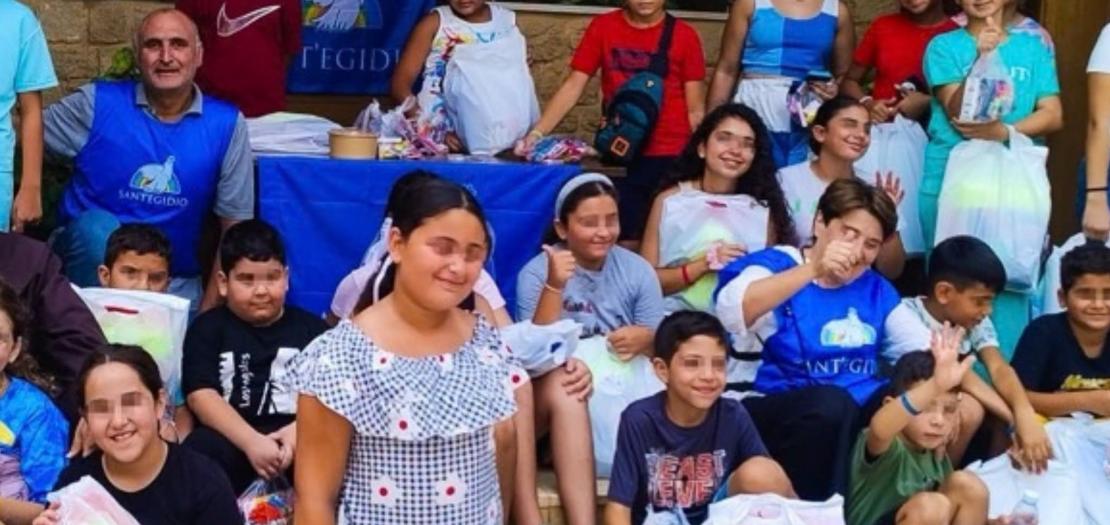
School bags and stationery were delivered to the school in Ain Ebel. Together with Father Toufic Bou Merhi, the Latin parish priest of South Lebanon, the Community also travelled to Tyre, where school supplies and food were distributed to children attending school again.
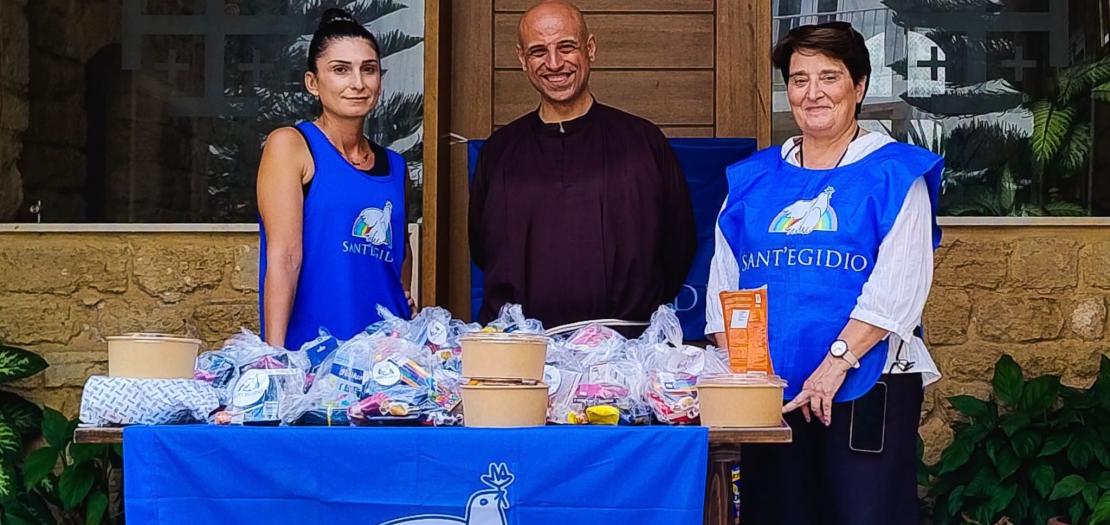
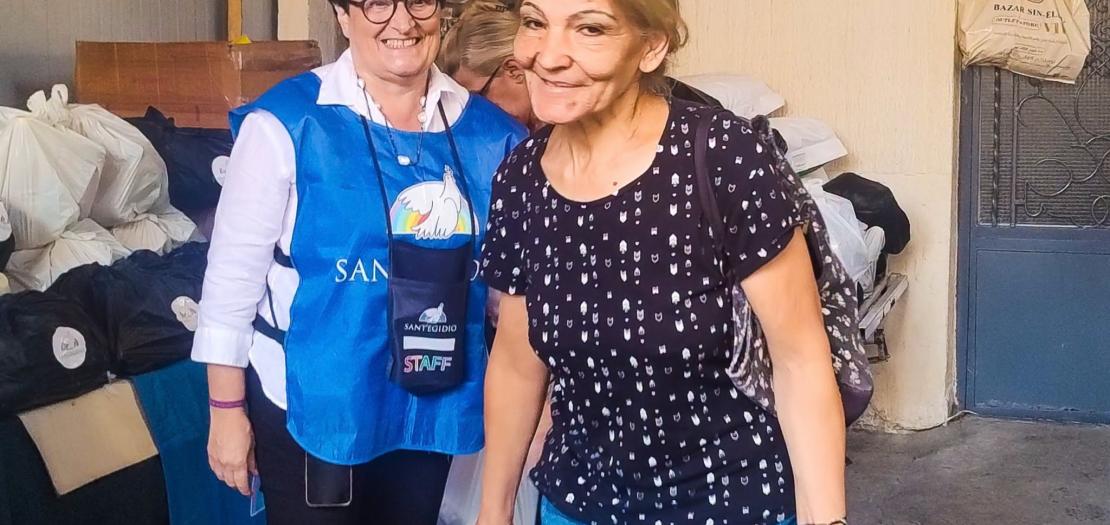
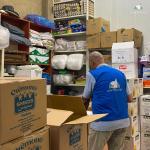
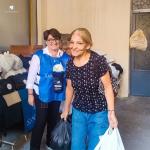
Finally, in Beirut, food parcels were distributed over five days to displaced people from the south, hosted by relatives or in some schools. Thousands of people thus received practical help and a sign of the Community’s solidarity, in a country still scarred by war and its consequences.