Issued by the Catholic Center for Studies and Media - Jordan. Editor-in-chief Fr. Rif'at Bader - موقع أبونا abouna.org

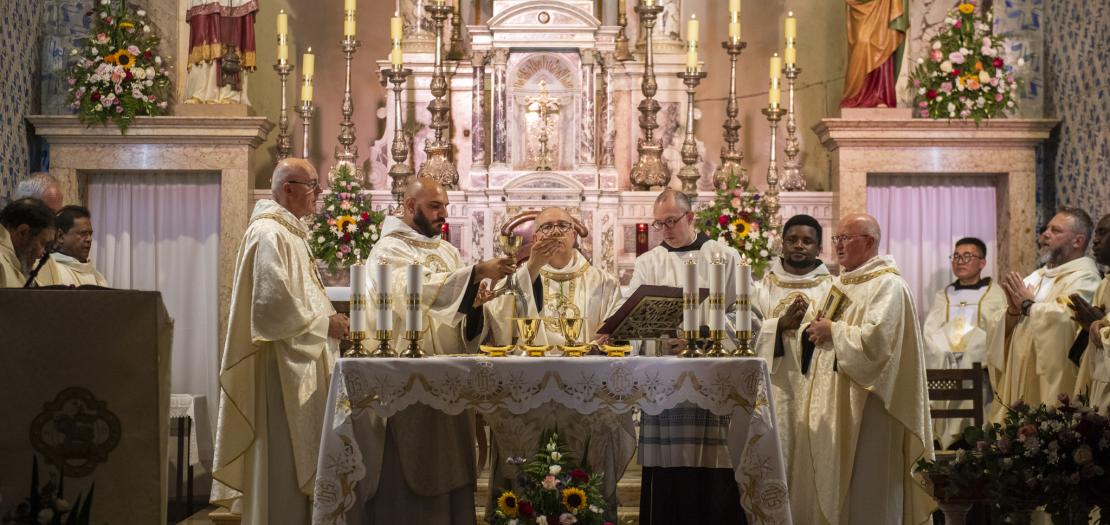
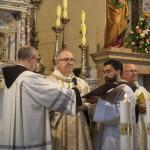
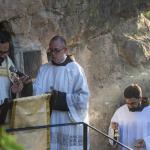
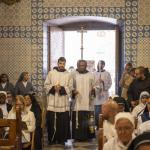
For the whole Church, that of St. John the Baptist is a special feast. The only one concerning a birth along with that of Mary and Jesus. And this, as explained by the Custos of the Holy Land, Fr. Francesco Ielpo, clearly marks the importance of the Precursor throughout the history of Christianity. The Custody honored the Baptist in Ain Karem, in the two places that tradition identifies as the initial stages of his journey.
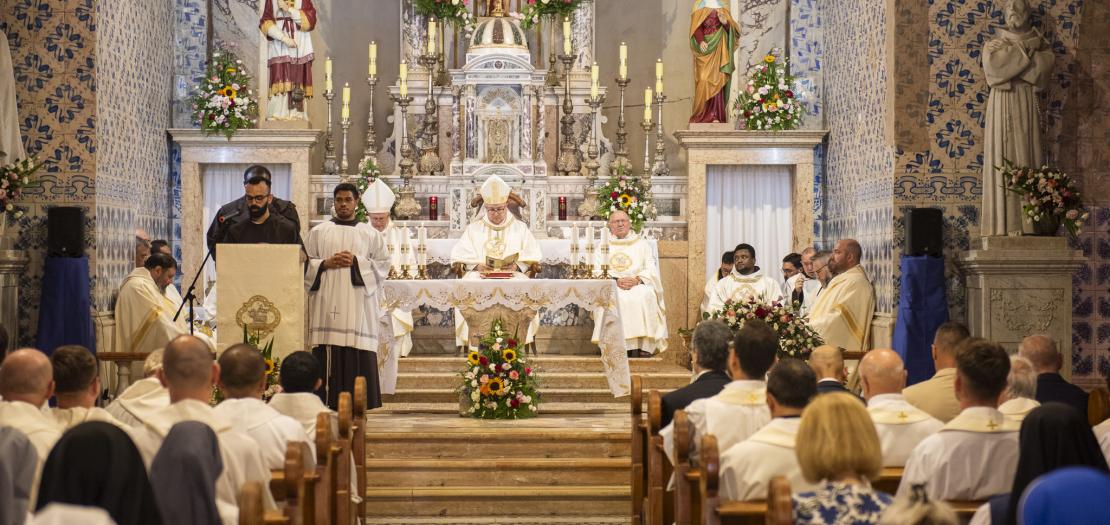
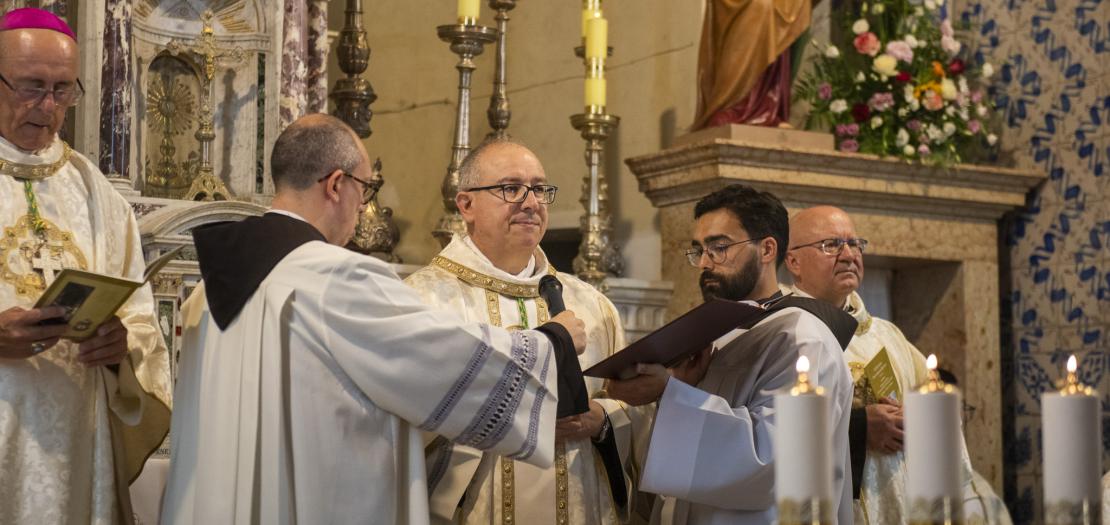
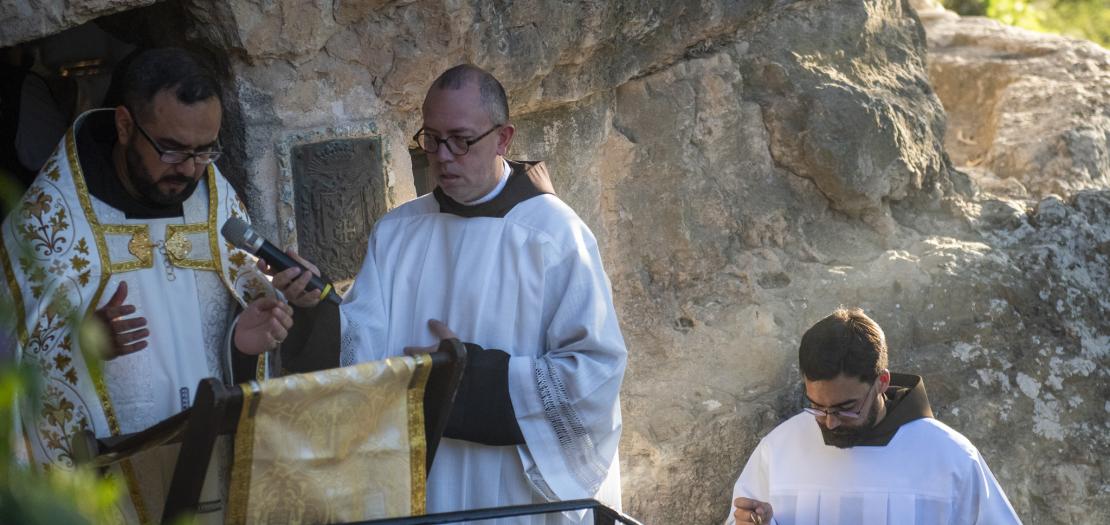
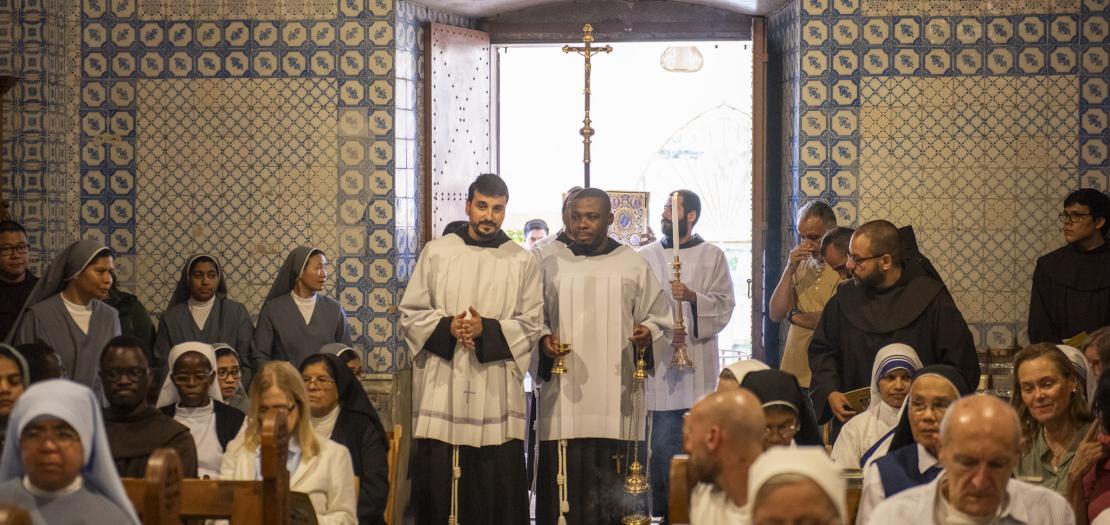
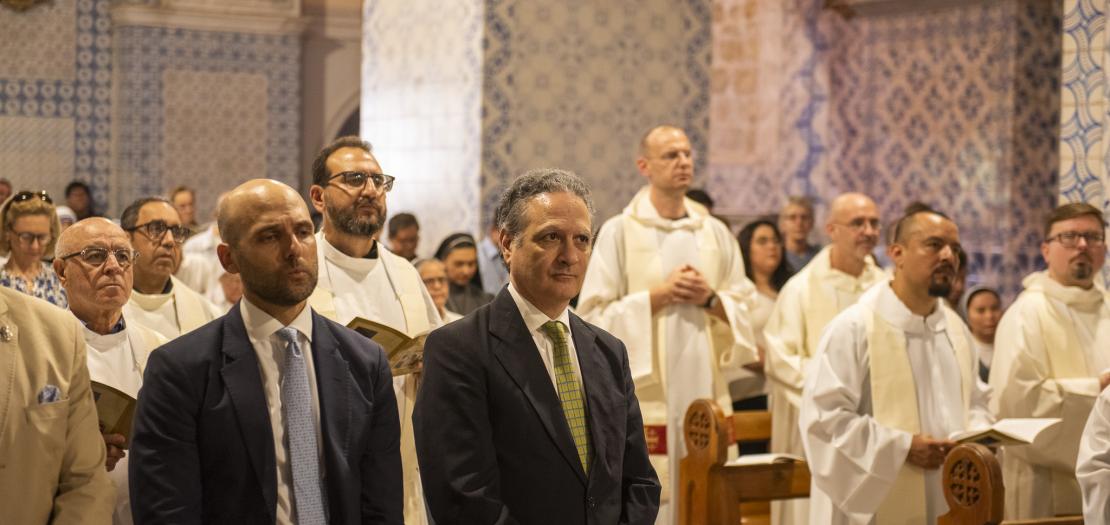
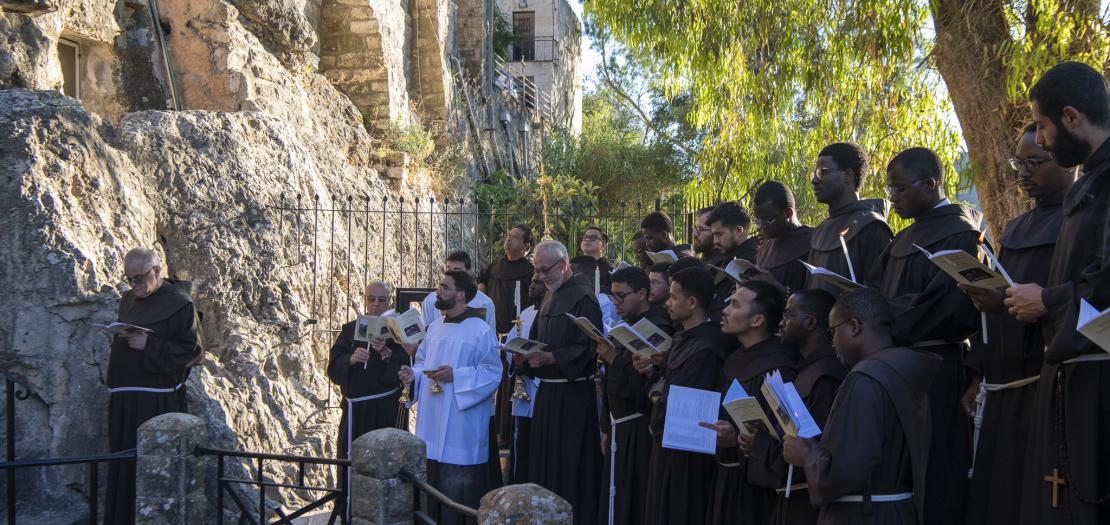
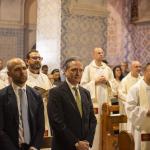
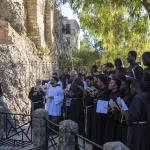
On Tuesday evening, June 23, the community of friars celebrated the First Vespers presided over by the vicar of the Holy Land, Fr. Ulise Zarza, in the sanctuary of St. John in the Desert. Immersed in nature, where it is believed that John retired before beginning his preaching while waiting for the Messiah, religious and faithful sang the hymns and then went in procession to the cave where tradition says Elizabeth hid her son to save him from the massacre of the innocents. The next day, Wednesday, June 24, it was instead the turn of the solemn mass presided over by the Custos in the monastery of St. John in Montana. An evening mass that brought together the community of friars and the faithful who decided to participate in the celebration of the Saint and which also saw the participation of the Spanish consul in Jerusalem, José Javier Gutiérrez Blanco,Navarrete. An institutional presence that underlines the bond between Spain and the monastery near Jerusalem where tradition holds the Precursor was born.
In his homily, the Custos invited those present to remember the role of John the Baptist throughout the history of salvation, but also the importance given in the Gospel of Luke especially to the joy that surrounded that birth. John’s family and his community indeed recognize in that child a sign of hope. And this, for Fr. Ielpo, must be a reminder for the entire Christian community. "Every birth is a miracle", recalled the Father Custos, "because it represents the trust that God continues to place in humanity." Elizabeth could not have children, while Zechariah had lost hope. But despite everything, God decides to overturn every conviction, precisely when everything seemed lost."The birth of John offers a clear answer: God continues to dwell in the midst of his people" explained Fr. Ielpo. And this projects also to the present day. "We live in a time when we often see only difficulties, wounds, wars and fears. Even here, in the Holy Land, there is no shortage of reasons for concern. Sometimes we can be tempted to think that God is far away or silent" stated the Father Custos. And precisely the birth of John signals how God continues to act without ever forgetting either his people or his promises.
A certainty, in the face of every adversity, which is also central to the choice of the Precursor’s name. People expected him to be called Zechariah, like his father. Instead, the decision falls on John, which means "God is merciful" or "God grants grace." Another novelty. Another reason for wonder. Another trace of what the meaning of John's life would be. To amaze, prepare, invite to conversion and announce the coming of Christ. And in Ein Karem, in that Holy Land where the Gospel resounds in its landscapes and in the places marked by the earthly journey of the Savior, celebrating St. John the Baptist means exactly this. "May he help us believe that God’s mercy continues to accompany history", recalled Fr. Ielpo in his homily, "and obtain for us the grace to become, like him, witnesses of God’s goodness and announcers of that hope that never disappoints."