Issued by the Catholic Center for Studies and Media - Jordan. Editor-in-chief Fr. Rif'at Bader - موقع أبونا abouna.org

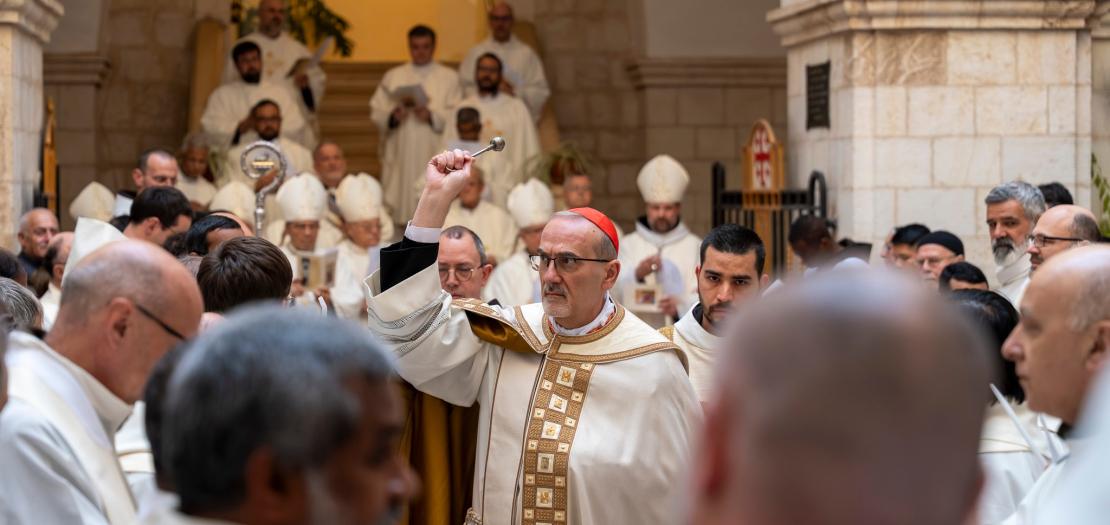
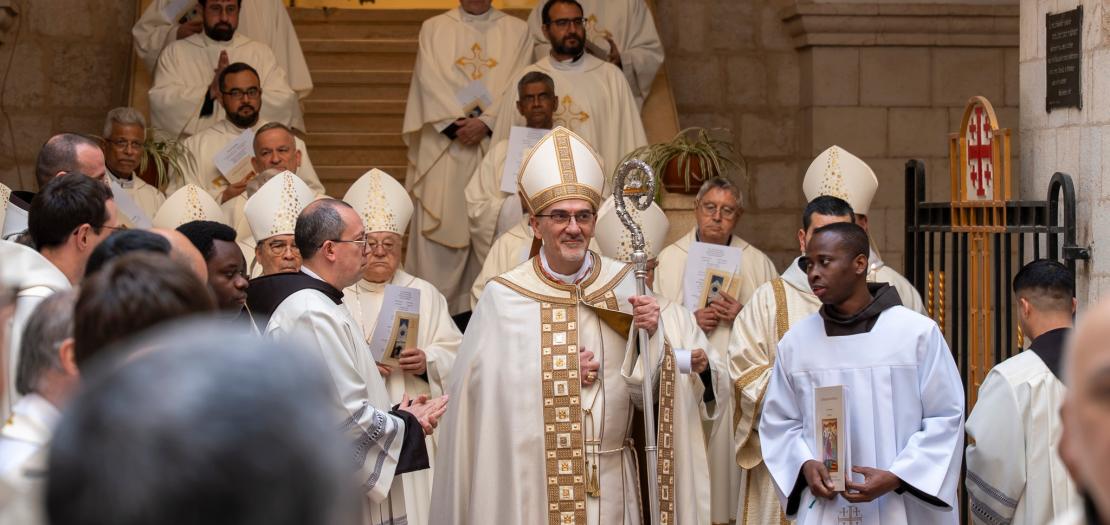
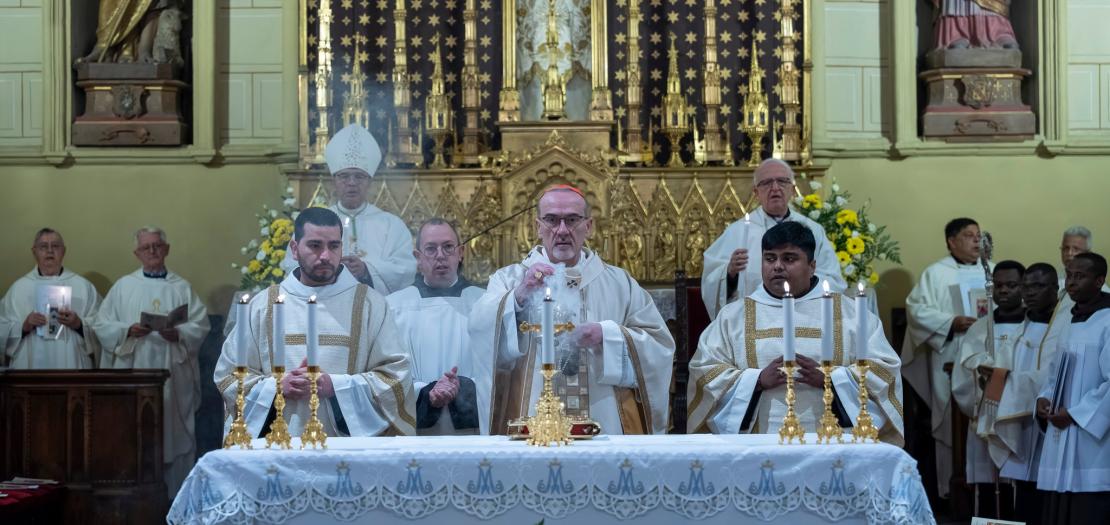
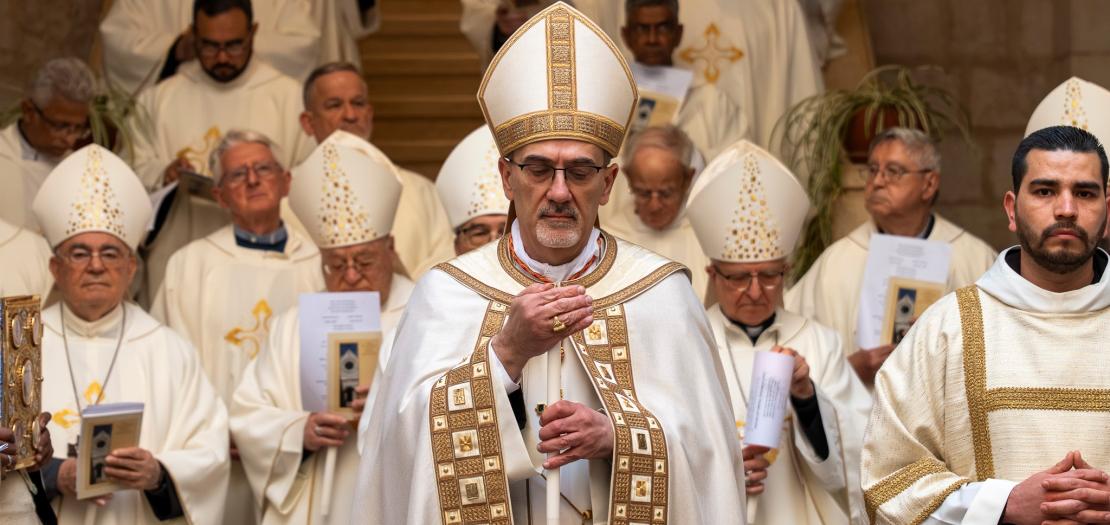
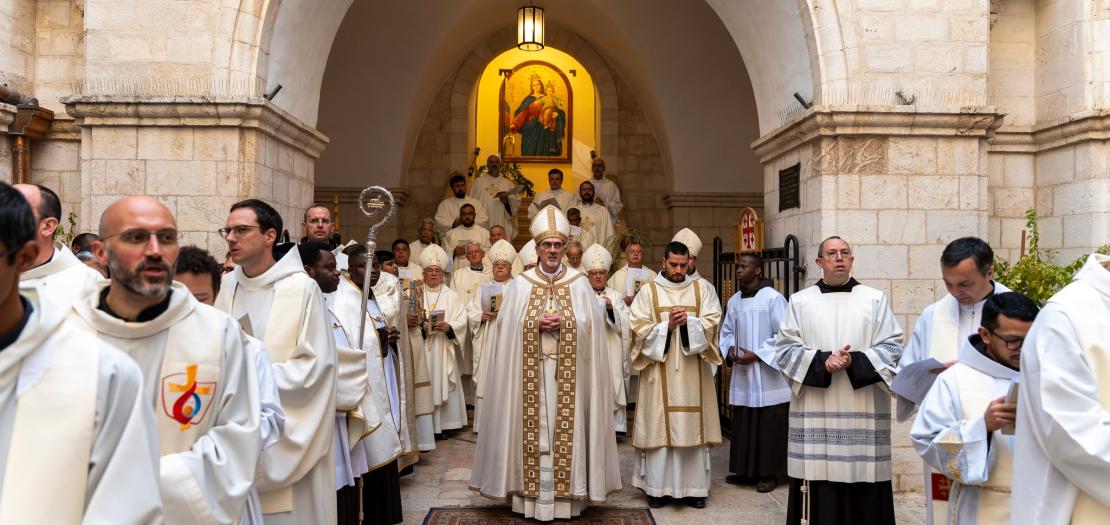
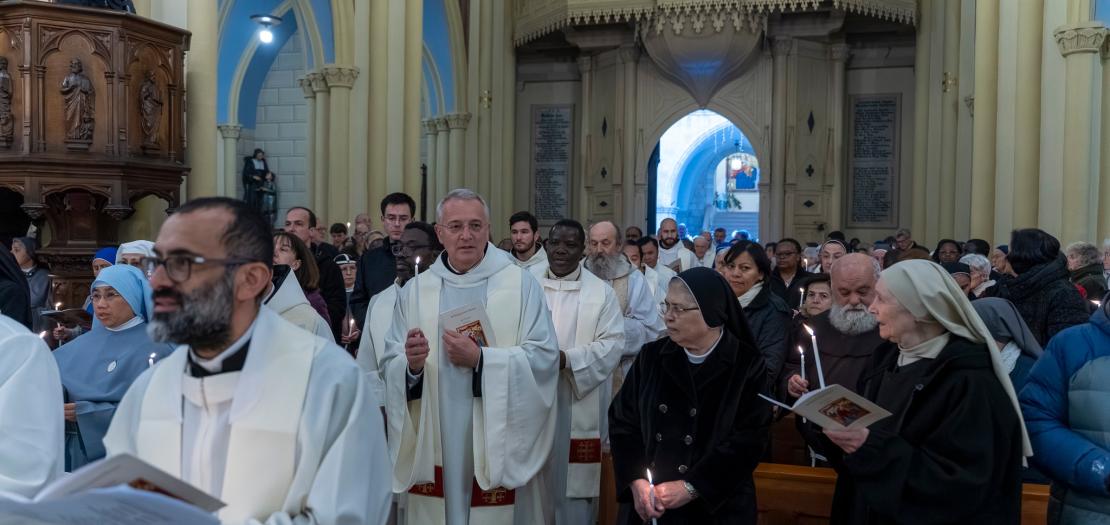
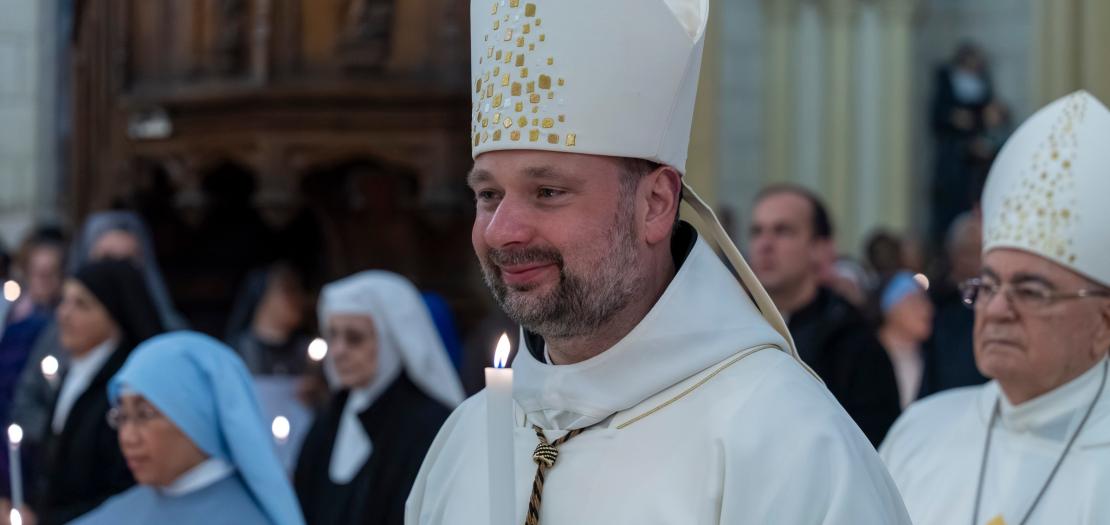
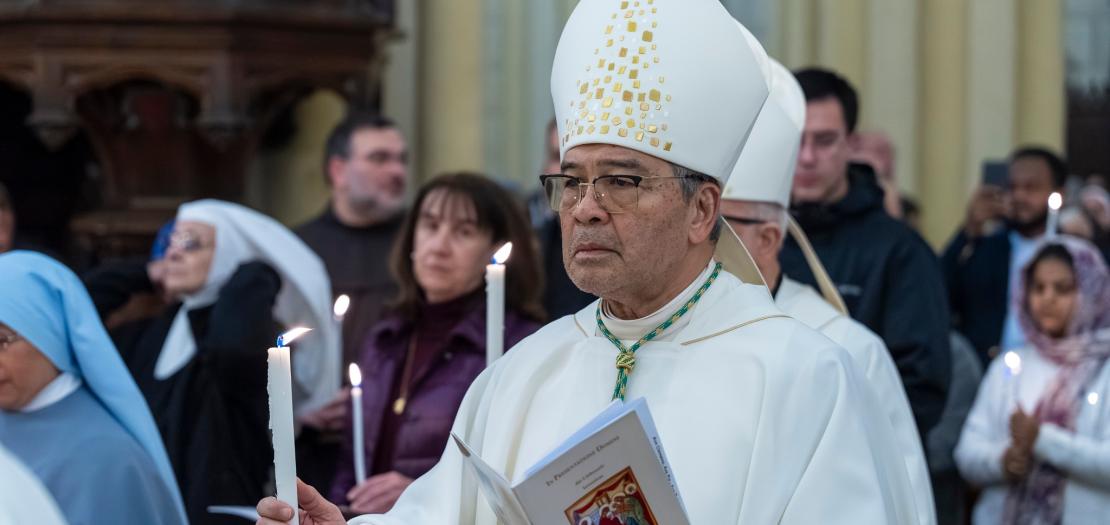
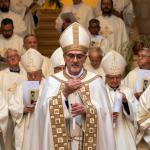
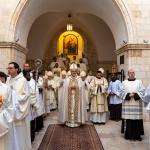
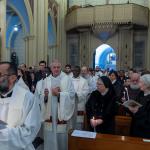
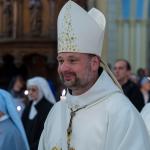
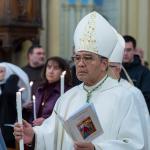
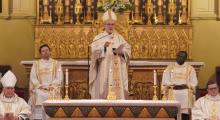
On February 2, 2026, at the Pro Cathedral of the Latin Patriarchate in Jerusalem, the Feast of the Presentation of the Lord was celebrated with great solemnity, a day that the Church dedicates in a special way to consecrated life. The celebration, presided over by His Beatitude Cardinal Pierbattista Pizzaballa, brought together numerous faithful, religious men and women, in an atmosphere of deep prayer and ecclesial communion.
From the very beginning of the homily, the Cardinal invited the assembly not to read the Presentation of Jesus as a simple event of the past or as a devotional account, but as an event that challenges the present of the Church and of Christian life. The Gospel scene in the Temple of Jerusalem, he recalled, is the place where waiting and fulfillment meet, daily fidelity and the surprise of God who acts in unexpected ways.
Mary and Joseph, poor and apparently insignificant, carry out what the Law prescribes. Yet, precisely in this simple and silent obedience, God overturns human logic: it is no longer man who offers something to God, but God who gives himself to humanity, entering history without clamor. In this sense, the Presentation becomes a revelation of a divine style that does not impose itself, but entrusts itself.
Consecrated life: "doing things in a different way"
Referring to the figures of Simeon and Anna, the Cardinal pointed to consecrated life as a call to live the same attitude of vigilant waiting, deep listening, and persevering fidelity. They do nothing extraordinary in the eyes of the world, yet they are able to recognize the presence of God precisely because they have learned to stay, to remain, to not flee from reality.
In this context, the Cardinal emphasized how consecrated life today is called to "do things in a different way". Not according to criteria of efficiency, success, or visibility, but according to the Gospel. Doing things in a different way means accepting not being at the center, not having immediate solutions, not responding to violence with violence or to fear with control, but with trust, meekness, and perseverance.
Religious life, through the vows of poverty, chastity, and obedience, thus becomes a prophetic sign: it shows that it is possible to live free relationships, authentic fraternity, and a hope that does not depend on external circumstances. In a land marked by conflicts, divisions, and uncertainties, consecrated persons are called to be flashes of hope, not because they have ready answers, but because they testify that God continues to be present and at work in history.
The presence of the Custody of the Holy Land
The celebration also saw the numerous participants of the friars of the Custody of the Holy Land, a sign of communion among the different vocations in the Church. Present, among others, were the Custos of the Holy Land, Fr. Francesco Ielpo, and the Custodial Vicar, Fr. Ulisse Zarza, together with confreres from various fraternities.
Their presence gave the liturgy a strong character of universal fraternity, recalling how the Franciscan vocation is called to safeguard not only the Holy Places, but also the faith of the communities and the hope of the peoples who inhabit the land of Jesus, through a humble, constant, and faithful presence.
Recognition of the Jubilees of Consecrated Life
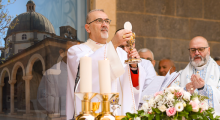
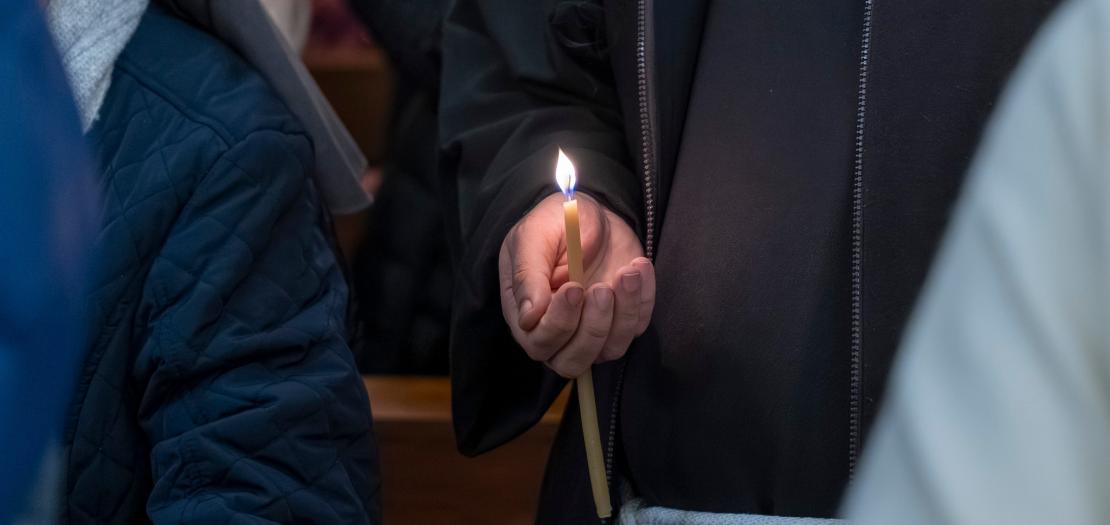
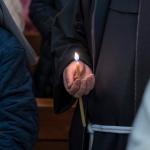
At the end of the Eucharistic celebration, after the blessing of the candles and the solemn procession, a particularly moving moment of recognition and gratitude took place for the consecrated persons who have reached important milestones in their vocational journey. Those celebrating 5, 10, 25, 50, 60, and even 70 years of consecrated life were honored, and were presented with a commemorative parchment.
This gesture sought to express the gratitude of the Church for a fidelity lived day by day, often in silence and discretion, yet capable of generating fruits of good for entire generations. Their lives are a concrete testimony of how the "yes" spoken to the Lord continues, over time, to illuminate the path of the Church.
These moments of celebration offered all those present, consecrated persons and lay faithful, a strong sign of hope and an invitation to continue, with joy and perseverance, the journey of faith, making visible even today the light of Christ, the true light that enlightens every man.