Issued by the Catholic Center for Studies and Media - Jordan. Editor-in-chief Fr. Rif'at Bader - موقع أبونا abouna.org

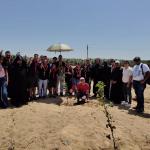
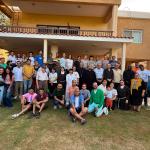
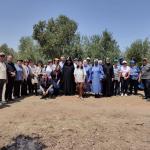
The Middle East Council of Churches (MECC) has officially launched the first activities of the 2026 Season of Creation, celebrated this year under the theme “Living Water,” through a spiritual and environmental day organized by the Council’s Theological and Ecumenical Department under the supervision of Fr. Movses (Garen) Yosolkanian.
The event was held in cooperation with the Benedictine Monastery in El-Tal El-Kebir (Ismailia), the Syriac Orthodox Church in Egypt, the Institute of History of the Coptic Orthodox Patriarchate, and the Ecumenical Youth Committee in Egypt. The activity formed part of the three-year “Care for Creation” program implemented by the Middle East Council of Churches with the support of Danmission.
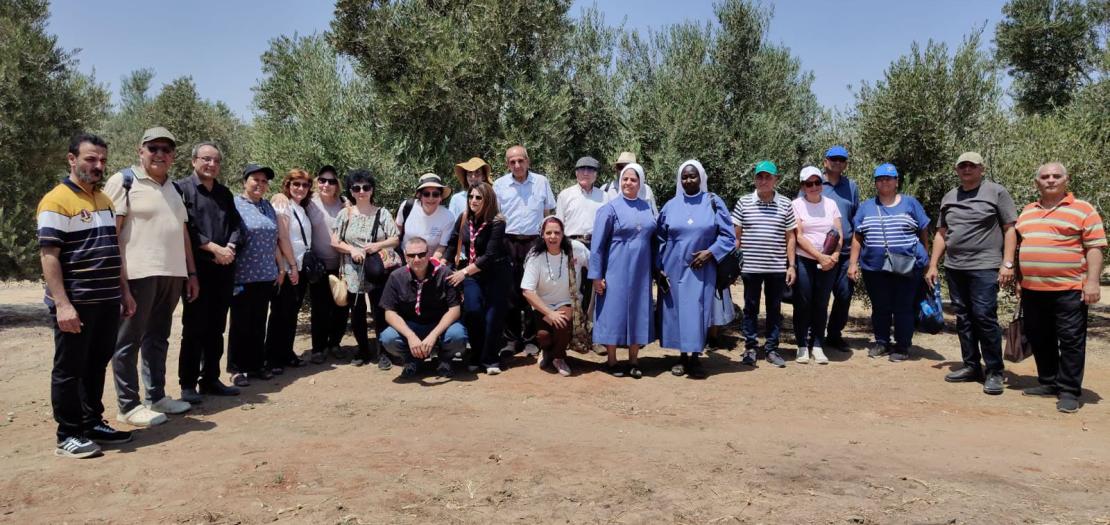
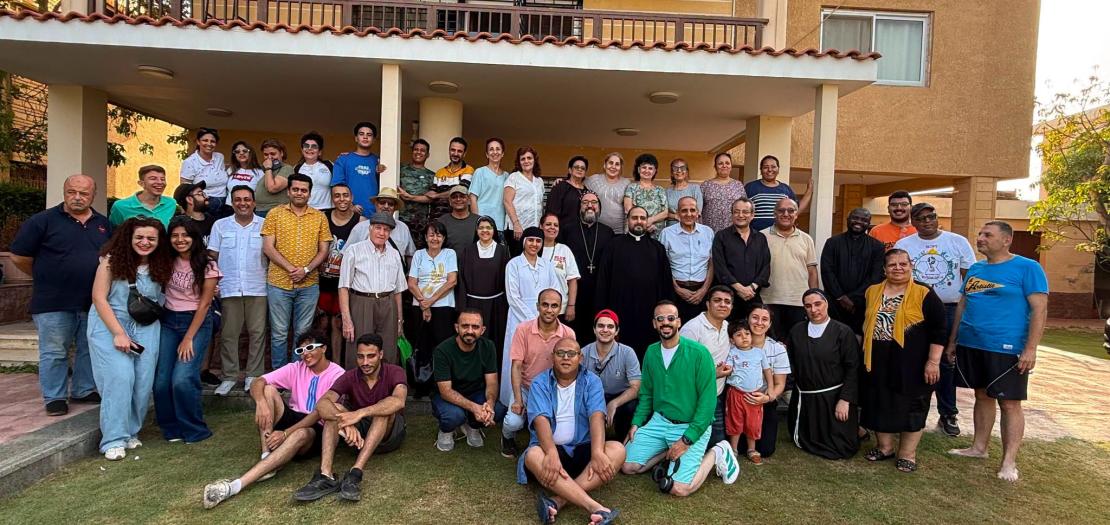
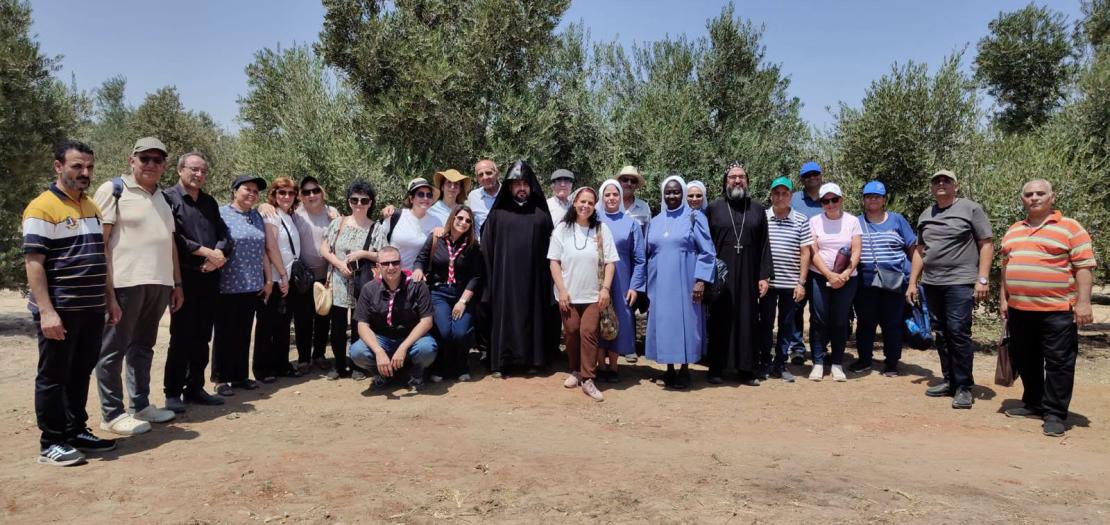
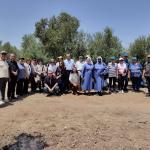
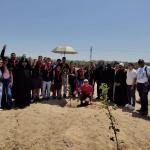
The gathering brought together young people, church ministers, monks, nuns, and representatives of the Orthodox, Catholic, and Evangelical Churches in Egypt, alongside participants from religious congregations, theological institutes, youth, pastoral, ecumenical, and scouting movements, as well as participants from Lebanon and Syria. The event reflected a vibrant spirit of fellowship, unity, and cooperation among the Churches.
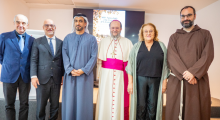
Participants were welcomed at the Benedictine Monastery with the blessing of Fr. Antonius, Abbot of the Monastery, and Fr. Paul. The reception featured a joyful Scout welcome prepared by the St. Ephrem Syriac Scout Troop in Egypt, expressing the spirit of fraternity and the shared commitment to caring for creation.
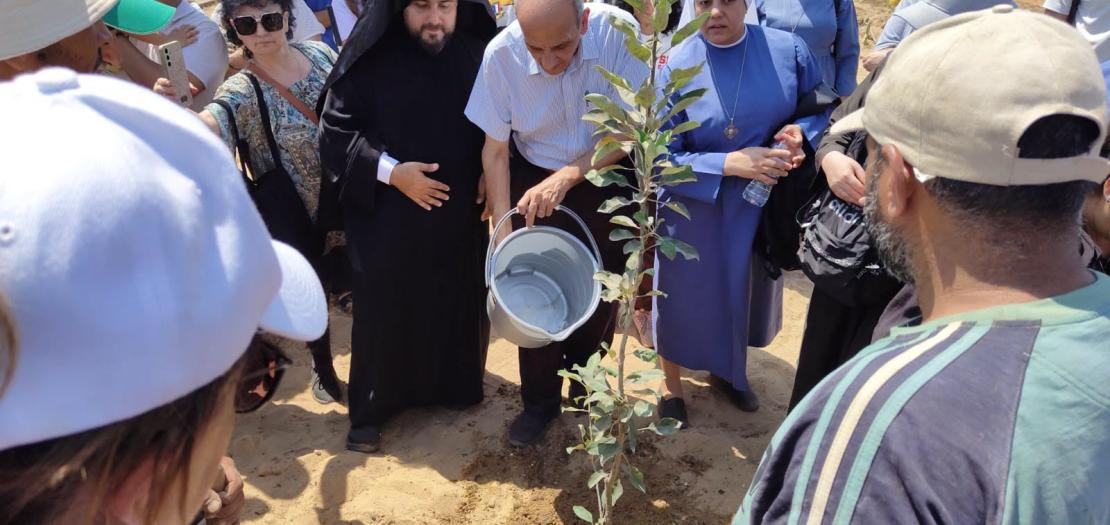
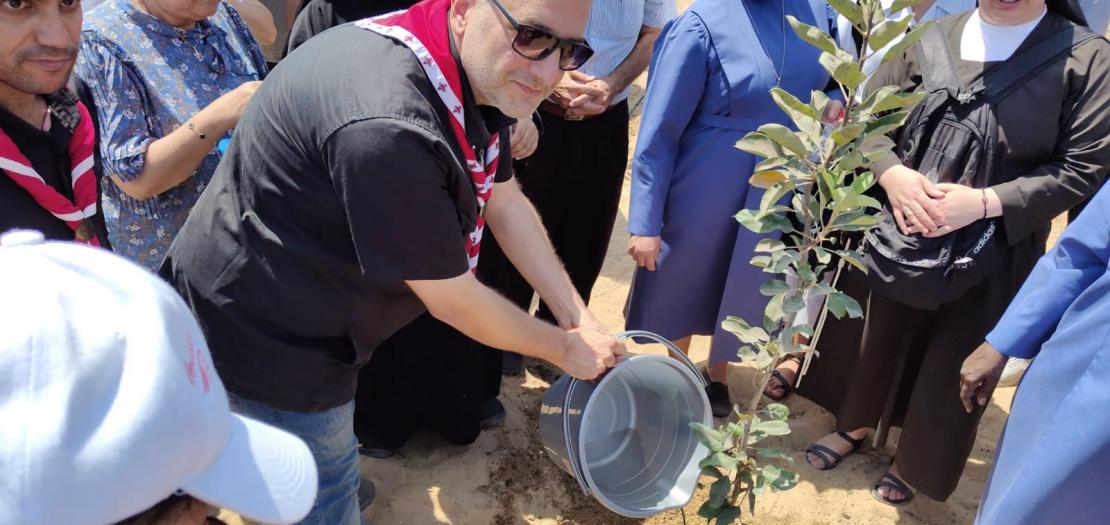
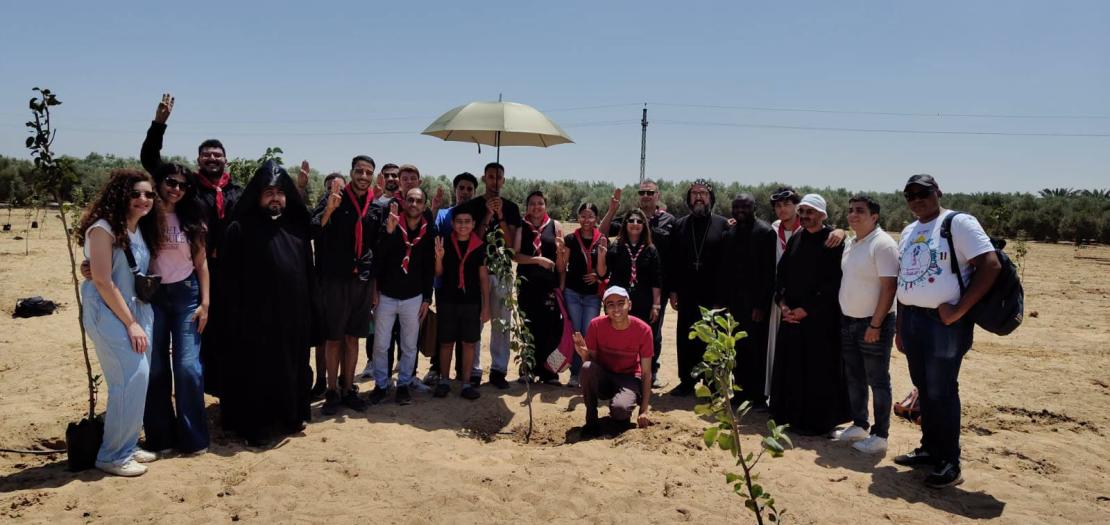
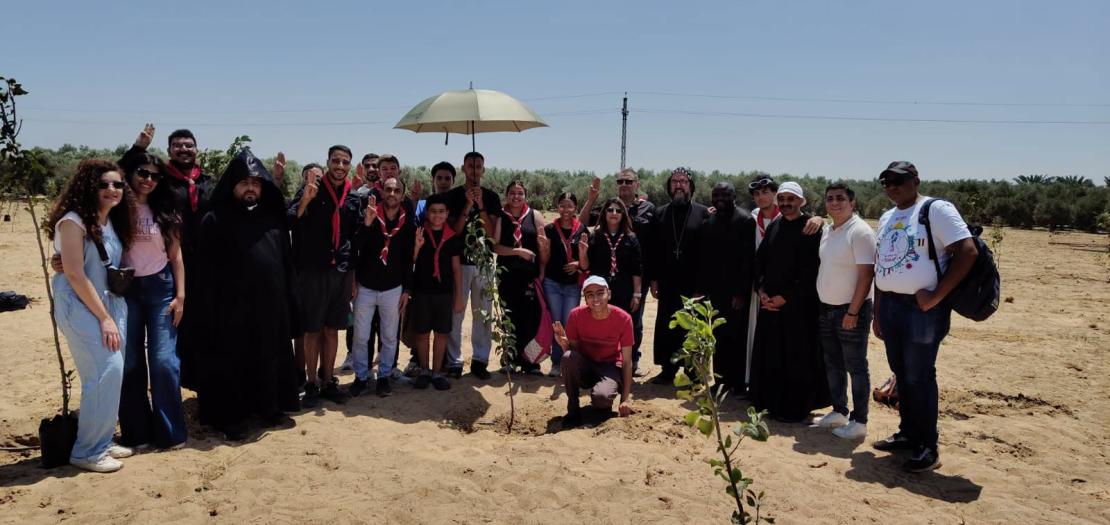
The day began with the Blessing of the Waters, presided over by Fr. Rabban Philip Issa, Head of the Syriac Orthodox Community in Egypt, together with Fr. Movses (Garen) Yosolkanian and Fr. Antonius Latif, O.S.B. The celebration followed the 2026 Season of Creation Celebration Guide, whose Arabic edition was prepared by the MECC Theological and Ecumenical Department. The blessed water was later used to water newly planted trees, symbolizing the close relationship between prayer and responsibility for creation.
In his opening address, Fr. Movses Yosolkanian emphasized that care for creation is a Gospel calling and a shared ecclesial mission. He stressed that churches, parishes, and religious institutions are called to play a leading role in promoting environmental awareness and fostering a culture of responsible stewardship of natural resources, recognizing that such commitment directly serves human dignity and the common good.
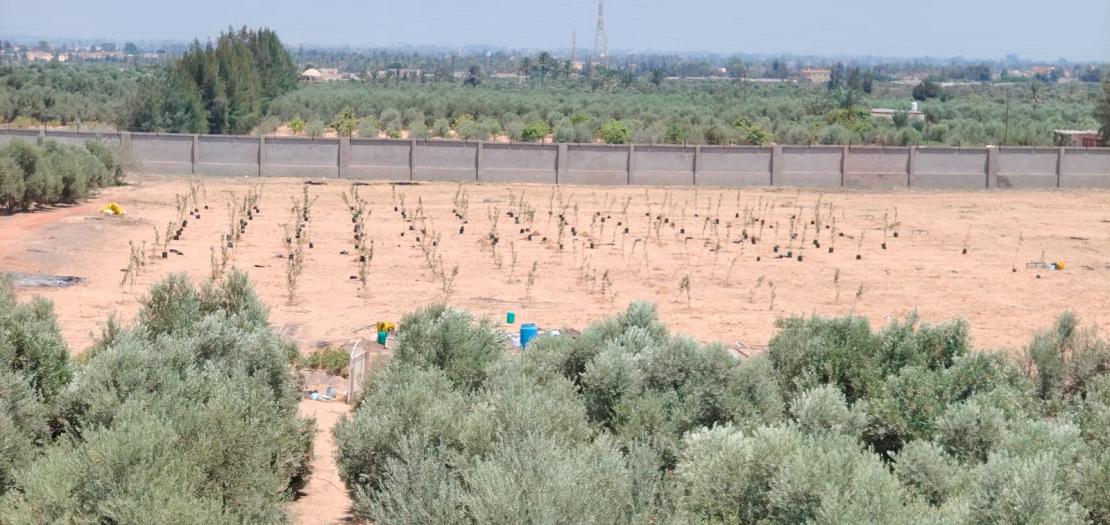
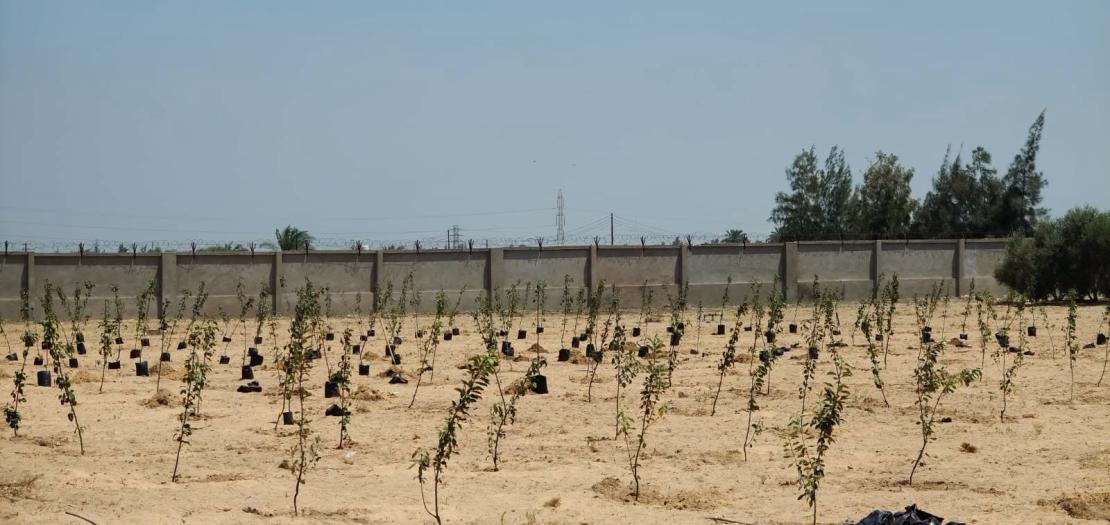
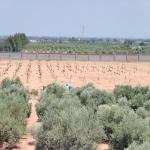
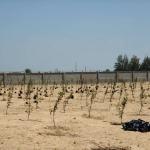
The program also included a series of educational activities on environmental protection, culminating in the inauguration of the “Transfiguration Orchard” on the monastery grounds, where 200 apple and pear trees were planted alongside the second “Myron Orchard.” The orchard was named in anticipation of the Feast of the Transfiguration and in reference to the Armenian tradition of eating apples and pears beginning with that feast.
The monastery’s upper hall also hosted a series of cultural and spiritual presentations. Dr. Senoute Delawar Shenouda, Director of the Institute of History of the Coptic Orthodox Patriarchate, delivered a lecture on the history of the Church in the Ismailia and Suez Canal region, highlighting the missionary role played by the Churches throughout history, as well as the history of the Suez Canal and the contribution of ecclesiastical institutions to the development of the region.
Participants were also introduced to the history and mission of the Benedictine Order worldwide and to the beginnings of its presence in Egypt. The Benedictine Sisters presented their educational ministry, while Mr. Medhat Fayez, President of the Ecumenical Youth Committee in Egypt, introduced the history and mission of the Committee, recognized as the oldest ecumenical youth body in Egypt.
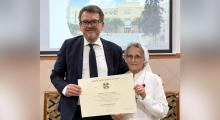
The gathering at the monastery concluded with hymns and the Lord’s Prayer in Syriac. On this occasion, Scout Leader George Karra, Commander of the St. Ephrem Syriac Scout Troop, presented Fr. Movses Yosolkanian with the Scout Friendship Medal in recognition of his outstanding commitment to environmental stewardship, the promotion of care for creation, and his continuous support for environmental and humanitarian initiatives.
The participants then travelled to the city of Fayed on the shores of the Suez Canal, where they reflected on the symbolism of “Living Water” and shared a fellowship meal that further strengthened the bonds of fraternity and communion among the participating Churches.
At sunset, the first 2026 Season of Creation Prayer Celebration was held on the banks of the Suez Canal, inspired by this year’s international liturgical guide. Participants reflected on the words of the Prophet Ezekiel: “Where the river flows everything will live… Fruit trees of all kinds will grow on both banks of the river” (Ezekiel 47:9, 12). Together they prayed for rivers, seas, and oceans, asking that water may continue to be a source of life and peace for all peoples, while renewing their commitment to protect and care for God’s creation.
This gathering marked a meaningful beginning to the 2026 Season of Creation in the Middle East, affirming that care for creation is not merely an environmental initiative but a living expression of the Christian faith and a shared ecumenical mission that calls the Churches to work together in service of humanity and our common home, in harmony with this year’s theme: “Living Water.”