Issued by the Catholic Center for Studies and Media - Jordan. Editor-in-chief Fr. Rif'at Bader - موقع أبونا abouna.org

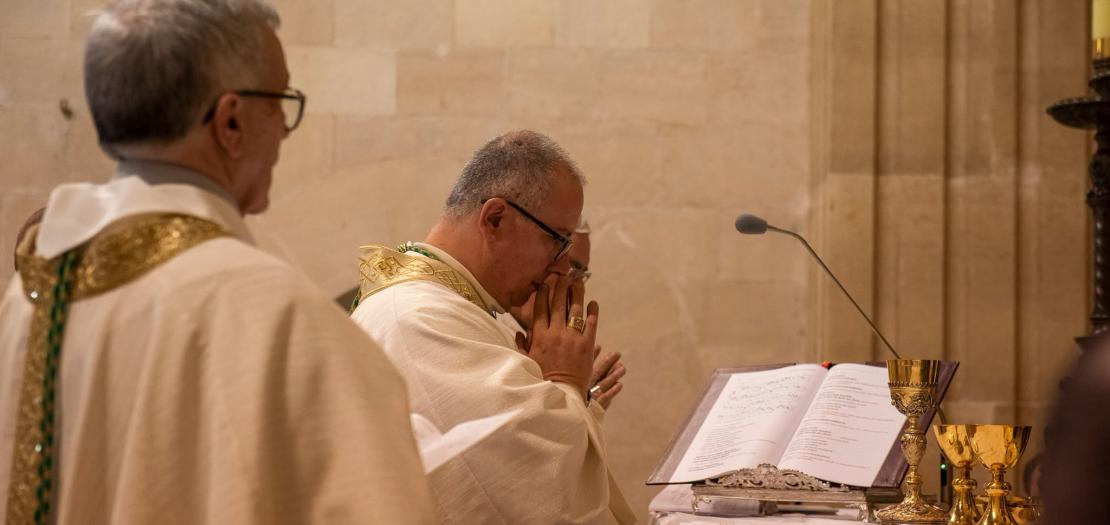
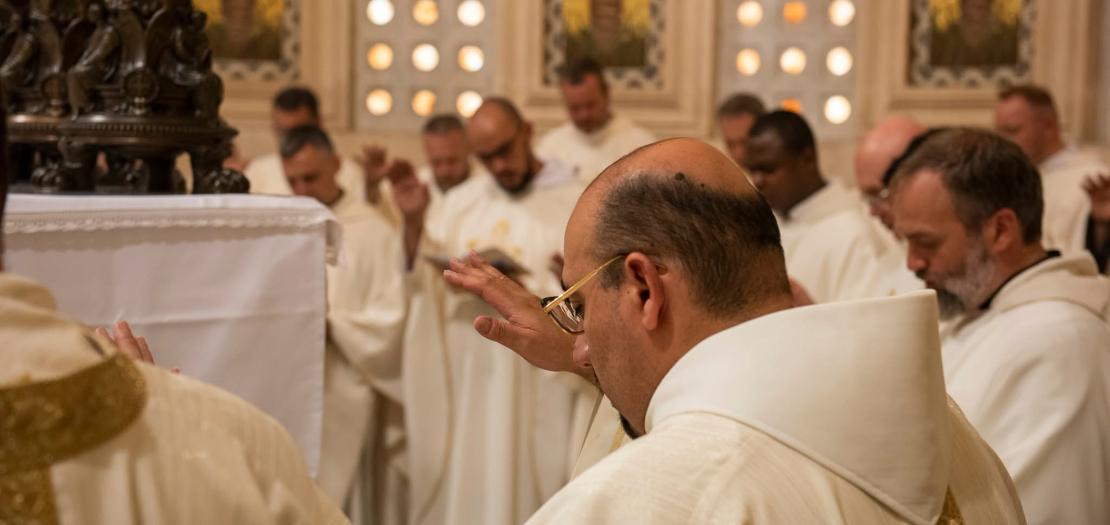
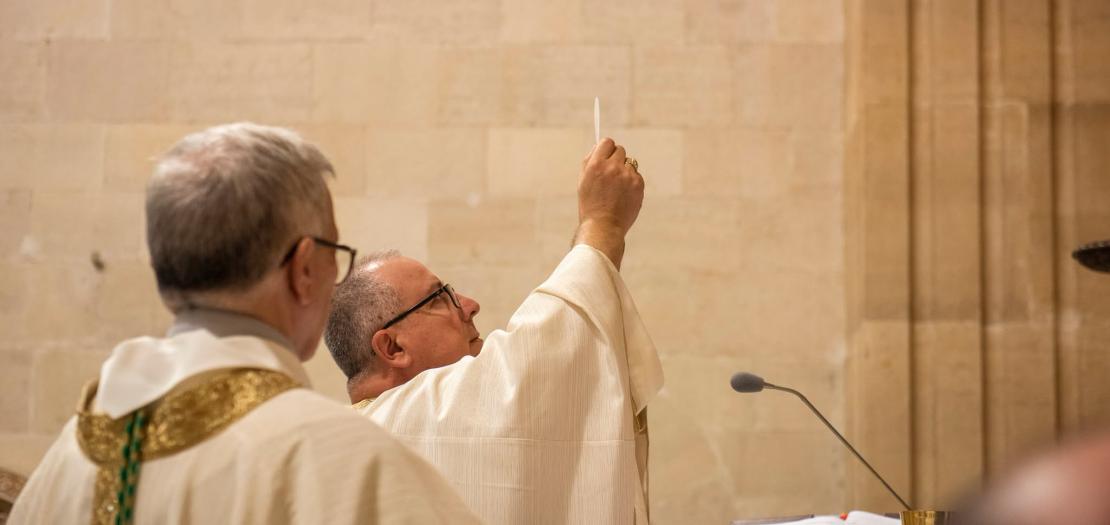
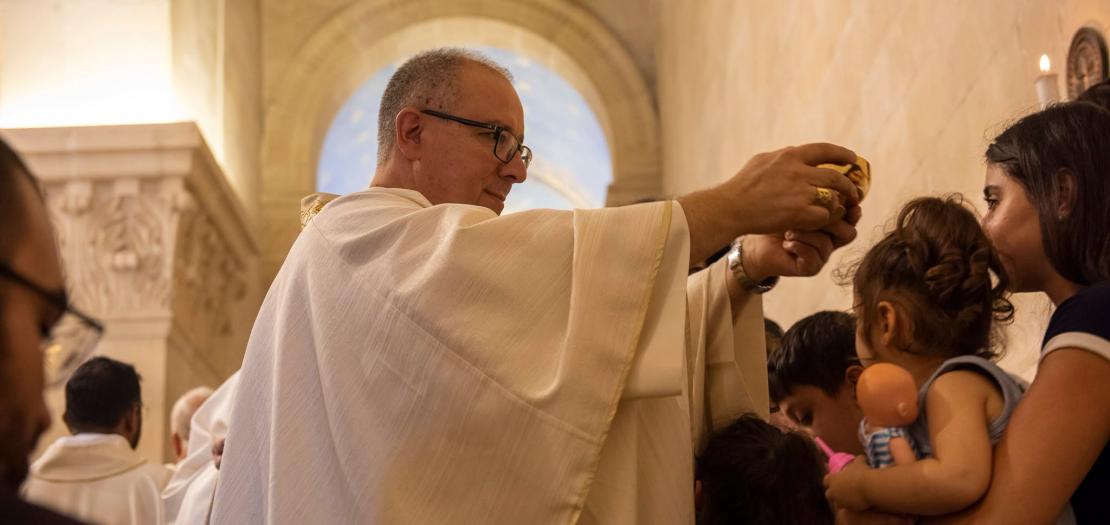
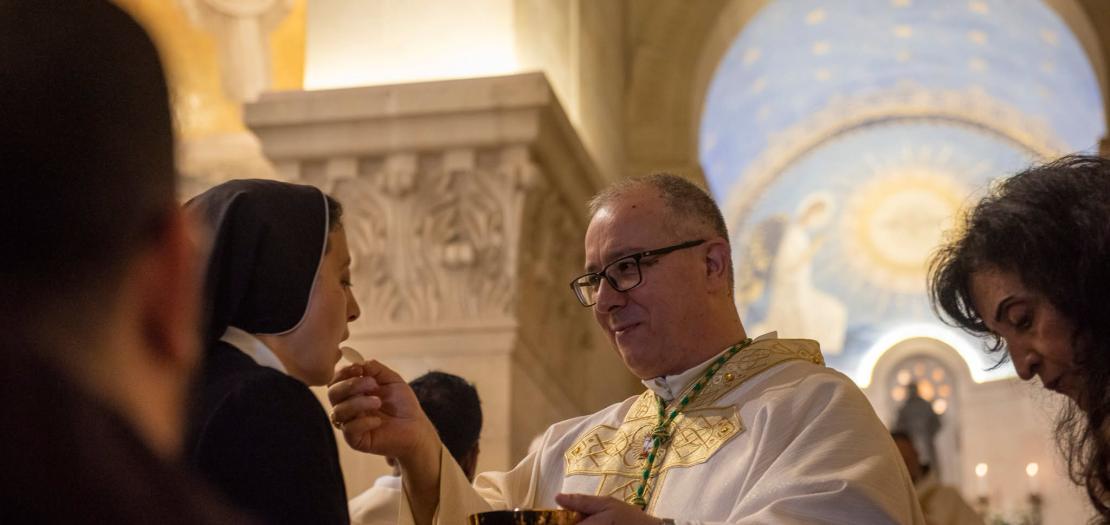
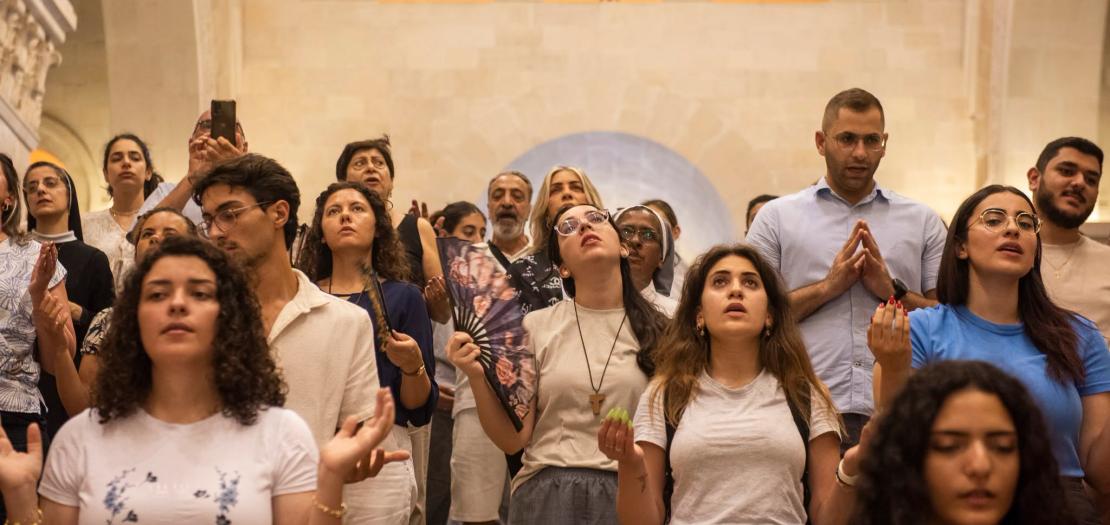
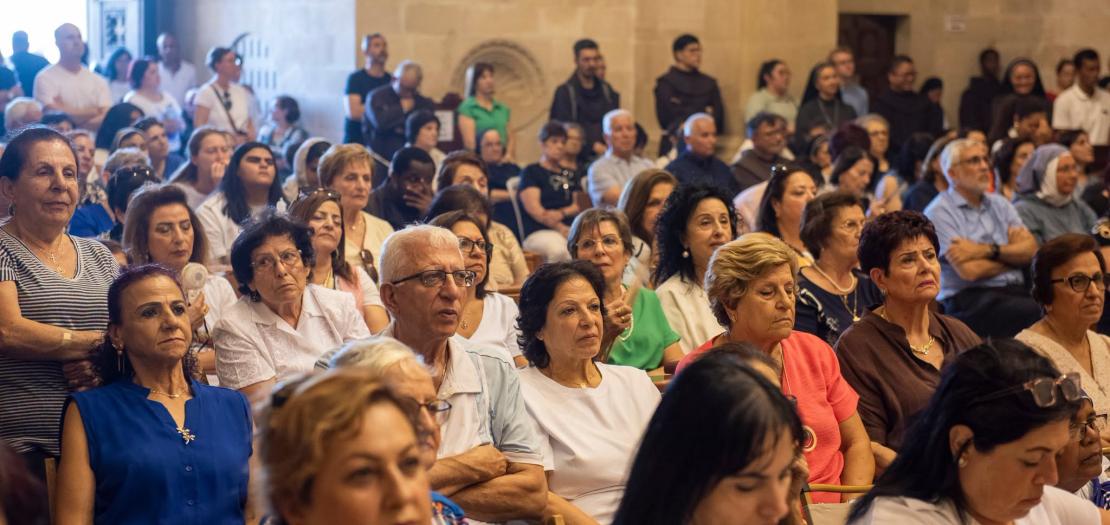
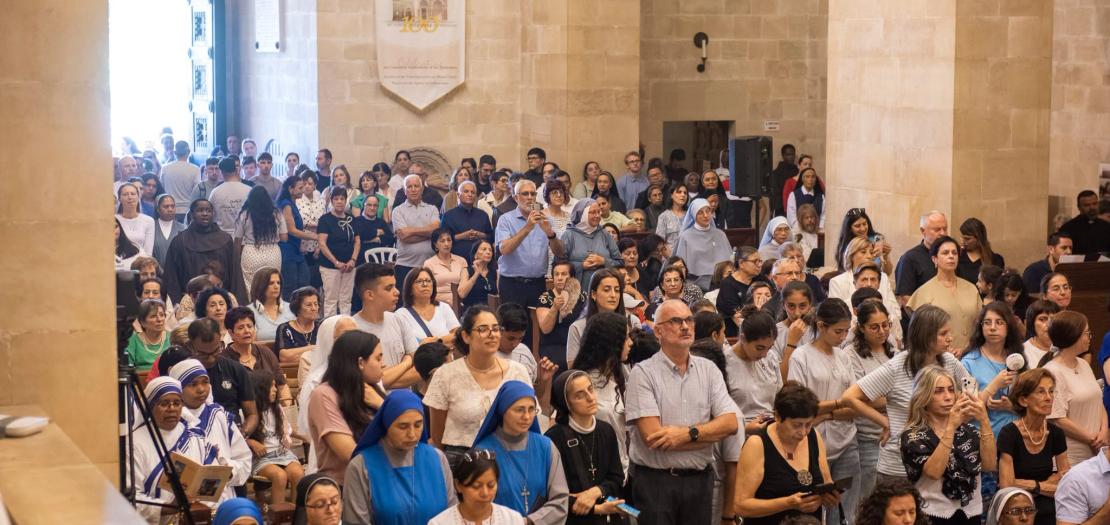
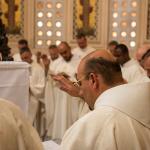
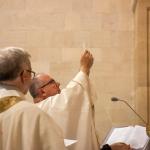
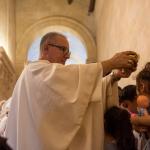
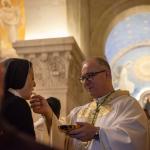
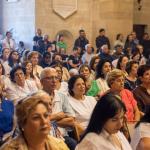
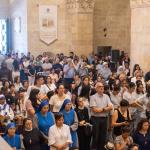
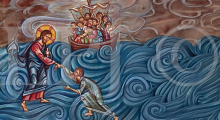
A day of feast, prayer, and celebrations. Thursday, August 6, the Franciscan community of the Custody of the Holy Land celebrated the Solemnity of the Transfiguration of the Lord on Mount Tabor, the place that tradition identifies as the one where Christ manifested his glory before some of his apostles. The Mass, presided over by the Custos of the Holy Land, Fr. Francesco Ielpo, was an occasion for recollection and joy not only for the Custody, but for the entire Catholic community of Nazareth and the region's villages. Religious, priests, pilgrims, and local faithful gathered in the basilica on Tabor to remember what is a fundamental passage of the Gospel. The moment when, as Fr. Ielpo recalled, “God enters our history and, for a moment, opens the veil that hides the mystery of Christ”.
And precisely on this point, the Custos, in his homily, wanted to emphasize a fundamental element: that is, that the heart of the Transfiguration is not represented “only” by the extraordinary nature of the vision offered to Peter, James, and his brother John, but the word of the Father inviting us to listen to the Son. “This is the only word that the Father pronounces in the Gospel”, recalled Father Custos. A clear, simple invitation addressed to the disciples and therefore to every Christian. God says to listen to the Son, to make His words one's own. And this also means understanding that from this action comes another: to welcome everything from the experience of Christ, not stopping at contemplation.
This theme was also highlighted by Ielpo through the deep bond between the mountains that are protagonists of Jesus' earthly experience: Tabor, the Mount of Olives, and Golgotha. While, in fact, Peter would prefer to remain at the site of the Transfiguration, Christ knows that is not his purpose. “From Tabor one must go down. Before Him there is still Jerusalem, there is the Passion, there is the Cross”, recalled the Custos, and this means that “the Transfiguration does not eliminate the cross, but illuminates it”. A choice, that of the Lord, which must thus illuminate the life of every faithful person. “Our life, too, knows Tabor and Calvary. There are days of light and days of toil, moments of consolation and moments when God seems to be silent”, said Fr. Ielpo during the ceremony, “the Lord does not promise us a life without crosses, but a life transfigured by love”.
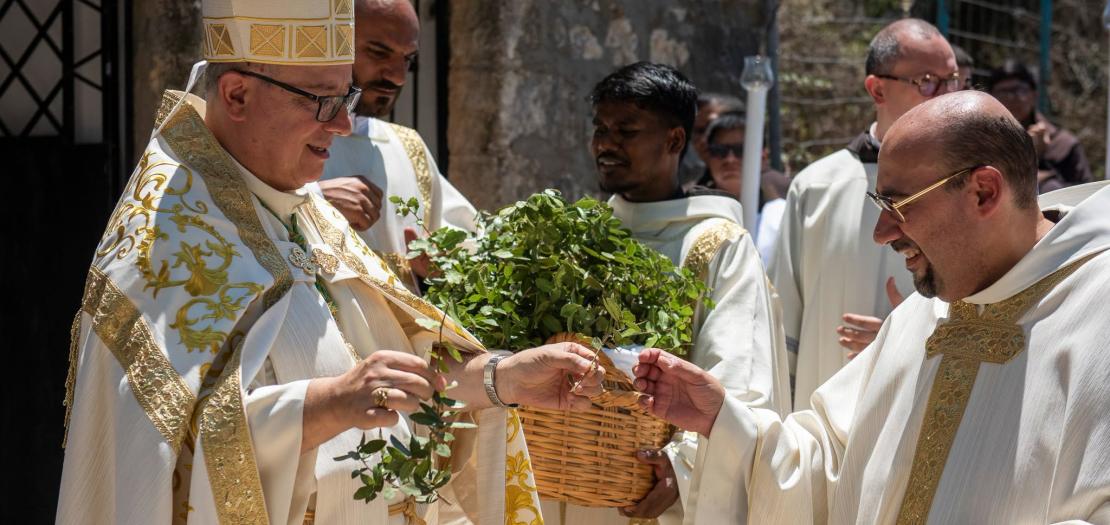
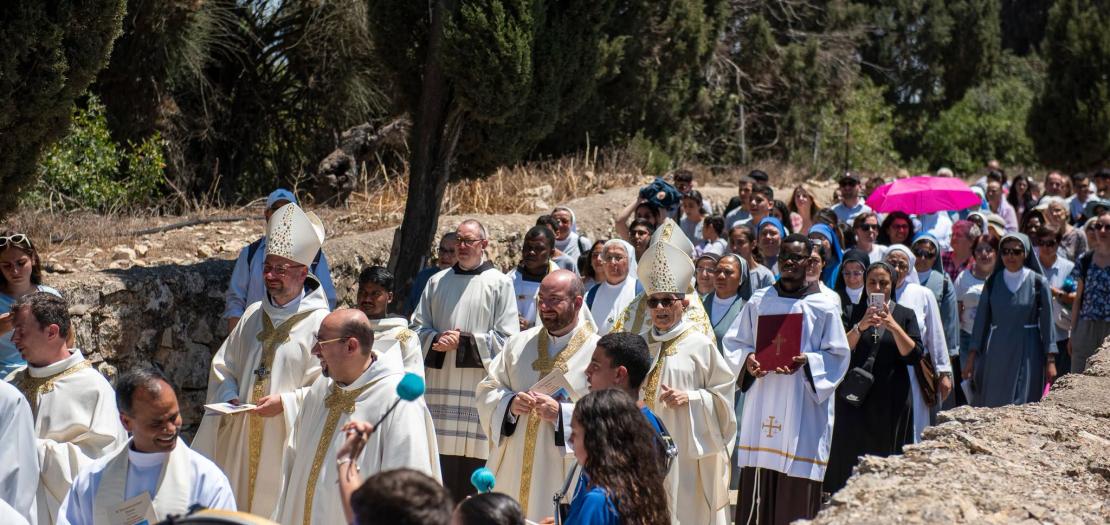
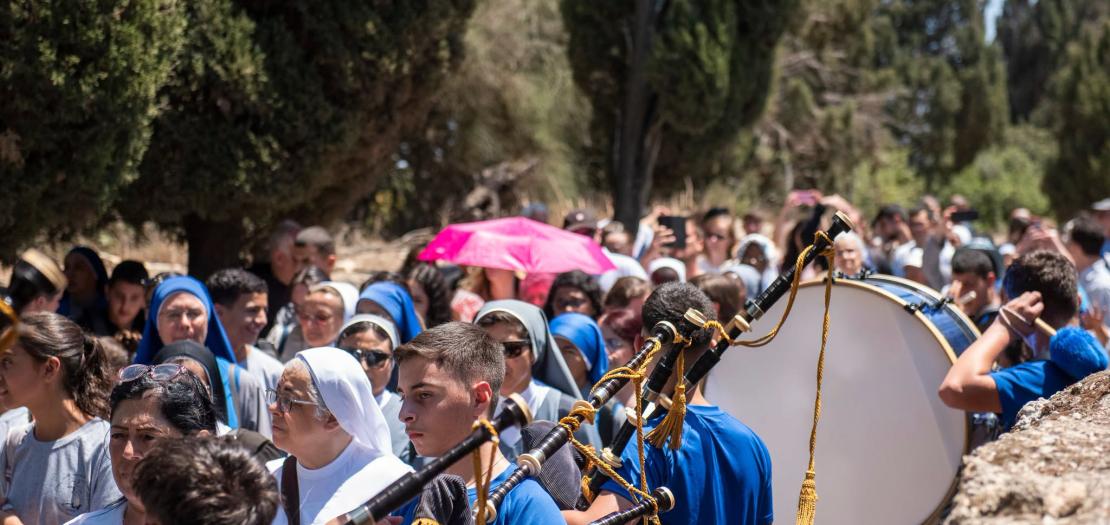
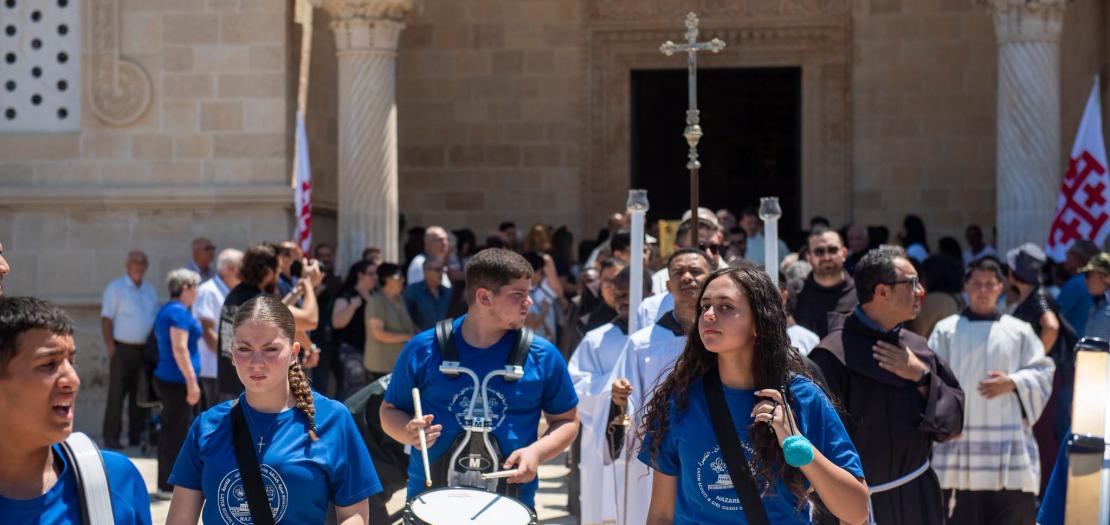
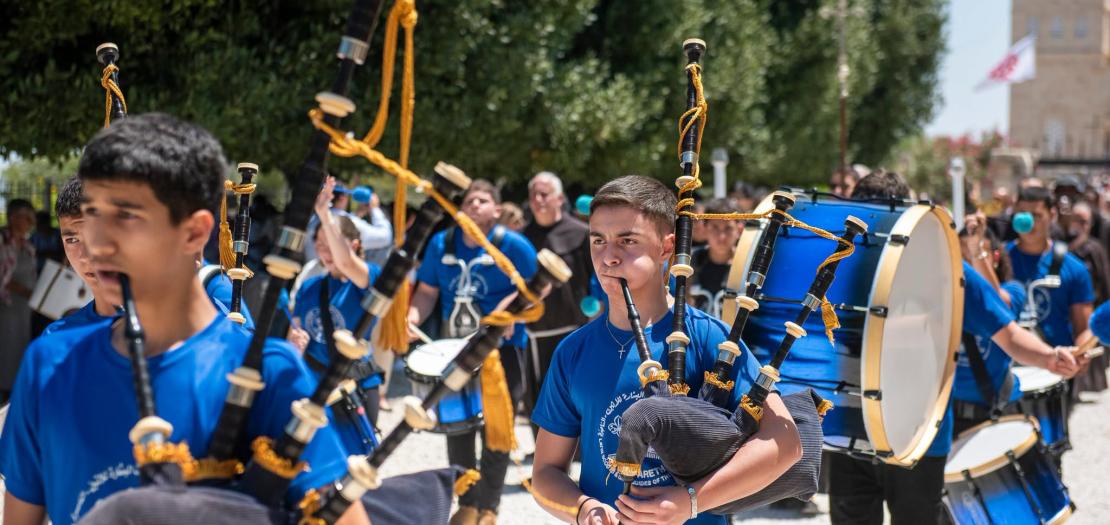
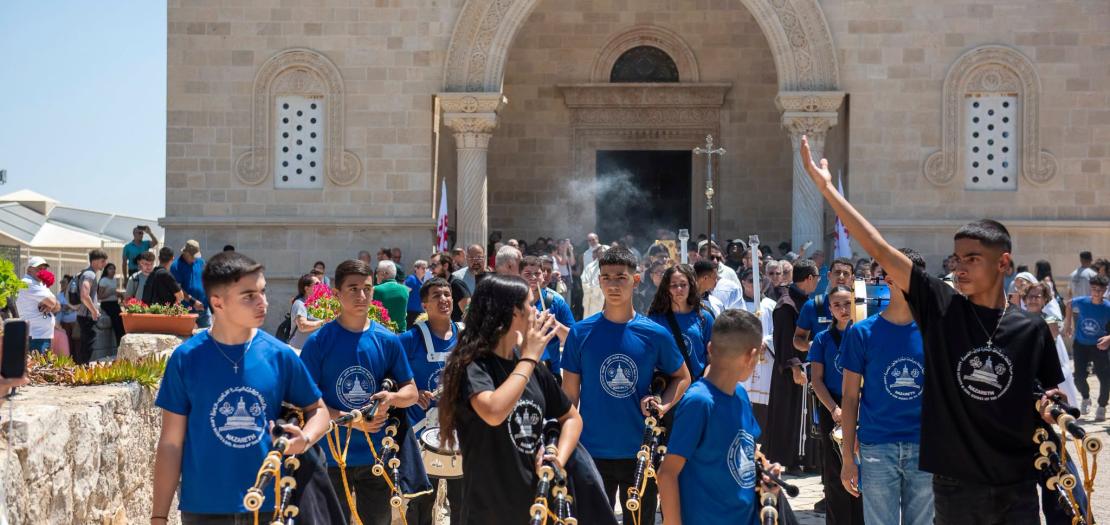
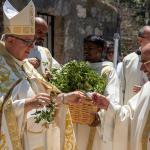
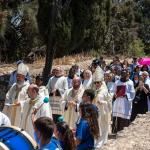
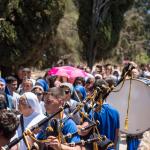
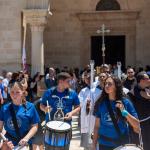
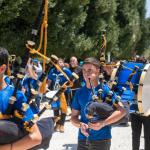
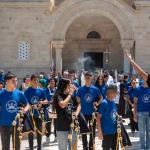
The celebration then concluded with the traditional procession that accompanied the Custos, the friars, the priests, and the faithful to the "Descendentibus" chapel. The sacred building whose name (in Latin) recalls the moment when Jesus, descending from Tabor with the three apostles, ordered them not to tell anyone what they had seen, “until the Son of Man had risen from the dead”. Opening the procession was the band of Scouts and the Franciscan youth community of Nazareth. A group of young people who, to the rhythm of bagpipes and drums, marked the path of the participants from the sanctuary to the chapel. And so, in a festive atmosphere, the Custos went to the small building for the solemn blessing to the people and that of the foliage of the mountain. A tradition that symbolically links the leaves of Tabor to those of the palms of Jerusalem, and which concluded a day that united evangelical memory, liturgy, and the life of the Christian community. Those “living stones” that animate the Holy Land.